


Teenager Businesses: Power Without Governance
February 4, 2026 • 7 mins read
Quick Answer
A Teenager business is strong enough to create outcomes at scale, but not structured enough to guarantee them. Revenue and capital can hide instability by delaying consequences. Adulthood begins when control becomes institutional: decision rights are clear, systems outlast individuals, and leadership changes do not threaten continuity.
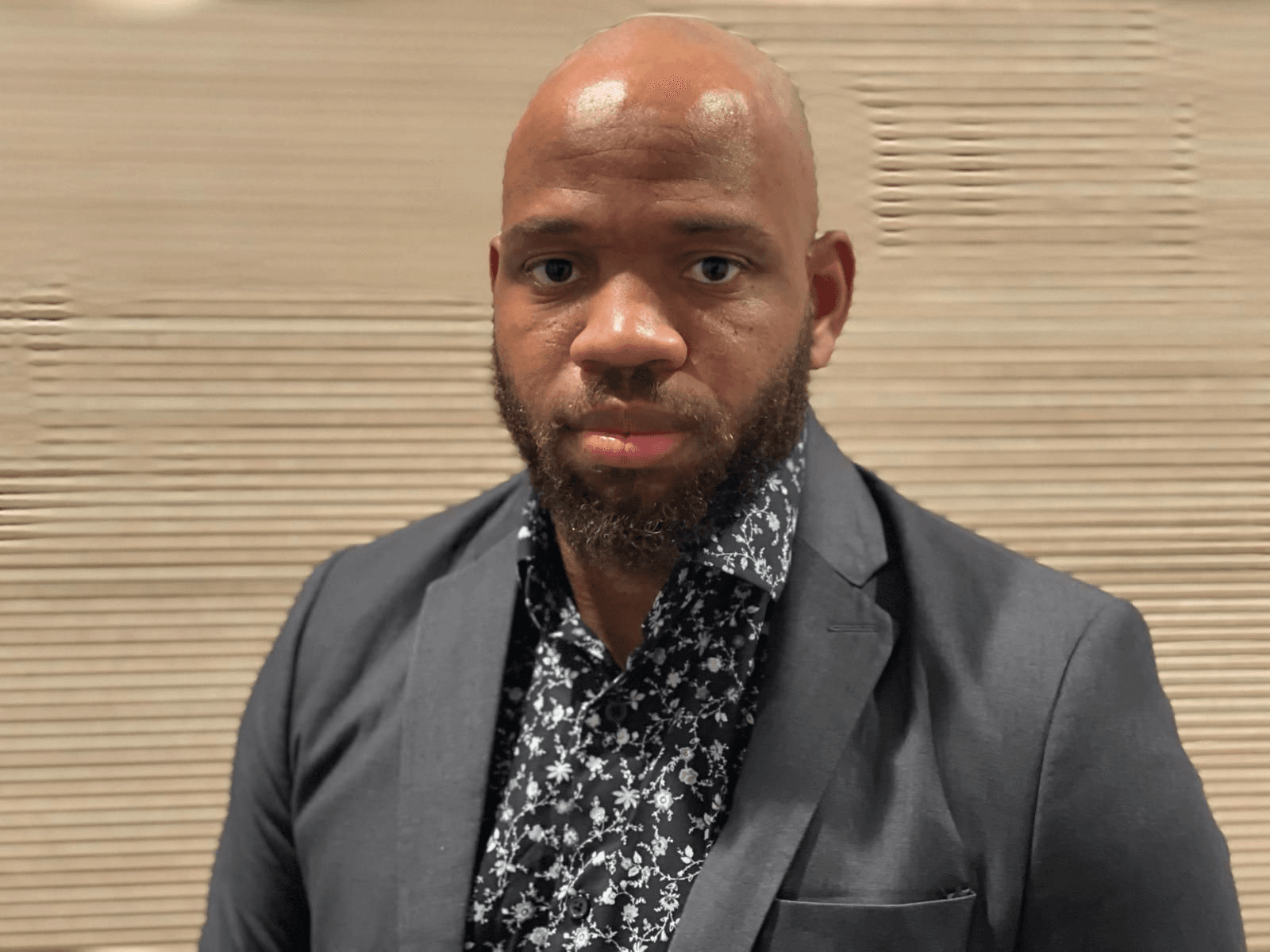
By Chukwudum “Chumze” Chukwudebelu
Founder/CEO, TheChumEffect Creator of the BAAB Framework


Orientation: What a Teenager Business Is
A Teenager business is a business that has moved beyond fragility and into power—but not yet into control.
This stage is often misunderstood because Teenager businesses can appear highly successful from the outside. They may generate millions or even billions in revenue, attract talent, raise capital, and expand rapidly. Yet internally, they often struggle with inconsistency, strain, and a growing sense that the organization is harder to manage than it should be.
This article is for founders, executives, and operators who sense that their business is strong but not fully governable. It is also for organizations preparing for institutional events—such as acquisitions, debt financing, public markets, or generational transition—that reveal whether the business is actually mature.
This page does not offer growth tactics or operational playbooks. Its purpose is to clarify what defines the Teenager stage within the Business as a Baby (BAAB) framework, why this stage is uniquely unstable despite success, and what separates power from adulthood.
The Core Reality of a Teenager Business
A Teenager business is defined by power without full governance.
At this stage, the business can produce outcomes at scale. Revenue is no longer fragile. Shocks can be absorbed operationally. Teams exist, products ship, and customers stay.
What is missing is not capability—but control.
Revenue, valuation, and funding do not define adulthood. A business can generate significant income and still lack standardized systems, decision clarity, and institutional resilience. Power exists, but it is unevenly distributed and inconsistently exercised.
Within the BAAB framework, a Teenager business can force outcomes, but it cannot yet guarantee them.
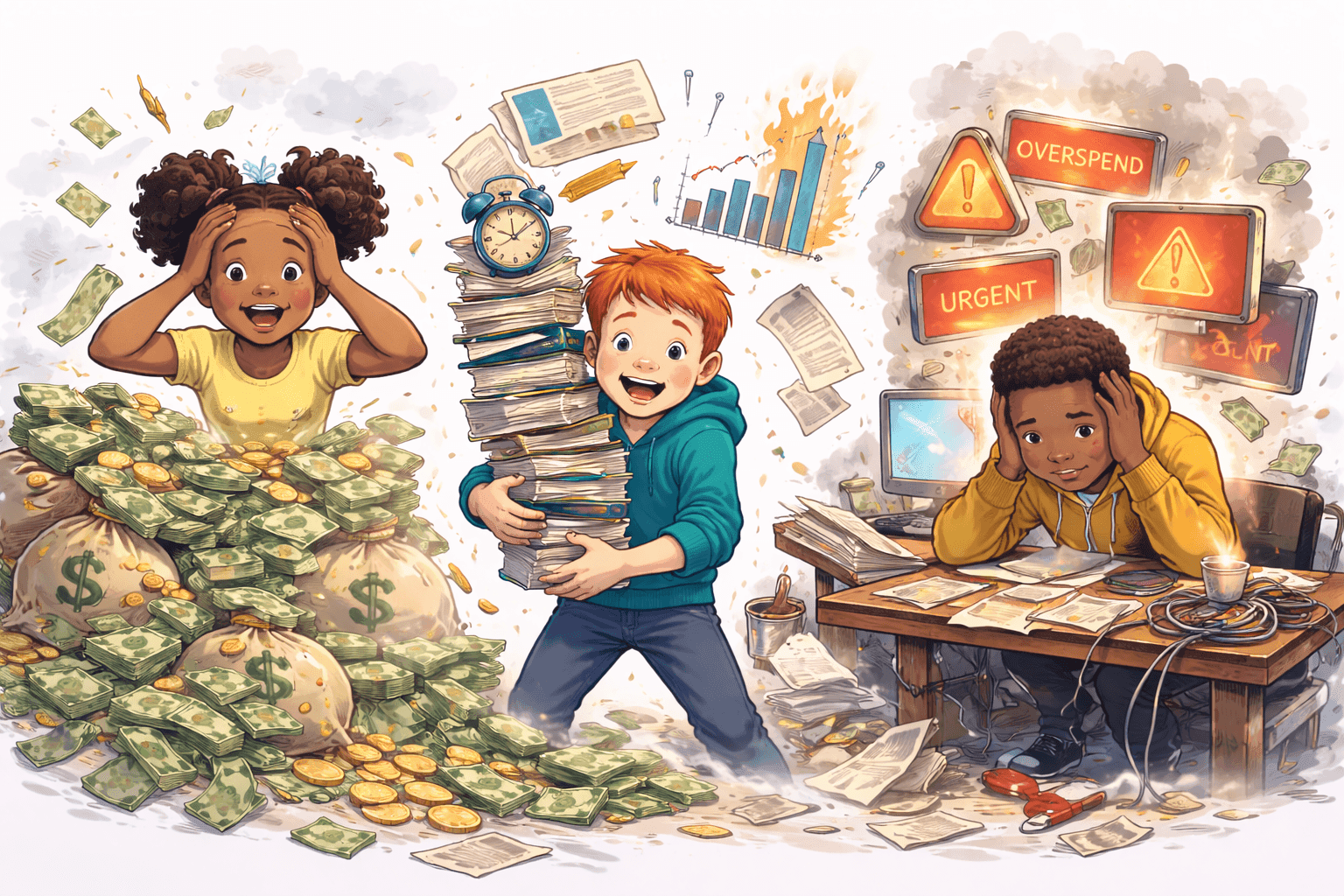
Dynamic illustration showing a Teenager-stage business navigating rapid growth, experimentation, and internal chaos before mature systems are established.
Why Money Creates the Illusion of Control
Money changes how problems appear.
At the Teenager stage, cash flow and capital often absorb mistakes before they are understood. Operational failures are patched. Structural gaps are compensated for. Consequences are delayed.
This creates a dangerous illusion: that the business is more stable than it actually is.
Instead of being solved, problems disappear temporarily. Instead of being examined, blind spots are bypassed. The business keeps moving forward, but the underlying system does not improve at the same pace.
Money delays pain; it does not remove it.
Governance becomes necessary not when the business is weak, but when it is powerful enough to hide its weaknesses.
What a Teenager Business Looks Like in Practice
In practice, Teenager businesses exhibit a distinct pattern.
They experiment frequently. New initiatives, products, and expansions are launched with confidence. Some succeed, many do not, and few compound meaningfully.
Leadership often compensates for missing systems through personal effort. Decision-making remains centralized or informal. Internal heroics replace institutional processes.
From the outside, the business appears dynamic. From the inside, it often feels chaotic.
The business works—but not predictably. Outcomes depend more on people than systems, more on urgency than governance.
These traits are not signs of failure. They are characteristic of power that has outgrown its structure.
Identity, Power, and Resistance to Governance
The central tension of the Teenager stage is resistance to governance.
Structure feels like constraint. Standardization feels like slowing down. Governance is perceived as something that belongs to “later,” after growth goals are met.
This resistance is understandable. Teenager businesses associate flexibility with strength and fear that discipline will reduce optionality.
In reality, the opposite is true.
Without clarity of identity—what the business is and is not—power fragments. Teams optimize locally. Initiatives multiply without alignment. Saying “yes” becomes easier than saying “no,” even when “no” would preserve long-term strength.
Teenagers confuse governance with loss of power, when governance is what makes power durable.
Teenagers in Disguise: The Adult Costume Problem
Some Teenager businesses appear adult long before they actually are.
Heavily funded companies may have boards, policies, and reporting structures that resemble institutional maturity. Externally, they look stable. Internally, control remains uneven.
These organizations perform adulthood without embodying it.
Venture capital can accelerate a business from Baby to Toddler by extending survival. At the Teenager stage, however, capital does not create adulthood. It creates insulation.
Funding masks immaturity; it does not resolve it.
A Teenager business wearing an adult costume may survive longer, but it still faces the same structural reckoning—often later, and at a higher cost.
What Actually Works at the Teenager Stage (And Why)
What works at the Teenager stage is institutionalization without ossification.
This is where systems are designed to outlast individuals. Where decision rights become explicit. Where specialists are hired not to accelerate growth, but to stabilize power.
At this stage, businesses often encounter institutional scrutiny of a different kind for the first time.
This is not about basic access to capital. Many Teenager businesses can secure loans, credit facilities, or revenue-backed financing based on performance alone.
The pressure emerges when the business seeks or is exposed to institutional-grade scrutiny—events where repayment capacity is no longer the only question. These include large-scale growth facilities, structured financing, acquisition discussions, succession planning, or public-market preparation.
In these moments, the business is evaluated not just on revenue, but on governability, decision traceability, risk containment, and structural clarity.
Adulthood begins when the business can be examined at this level without losing control.
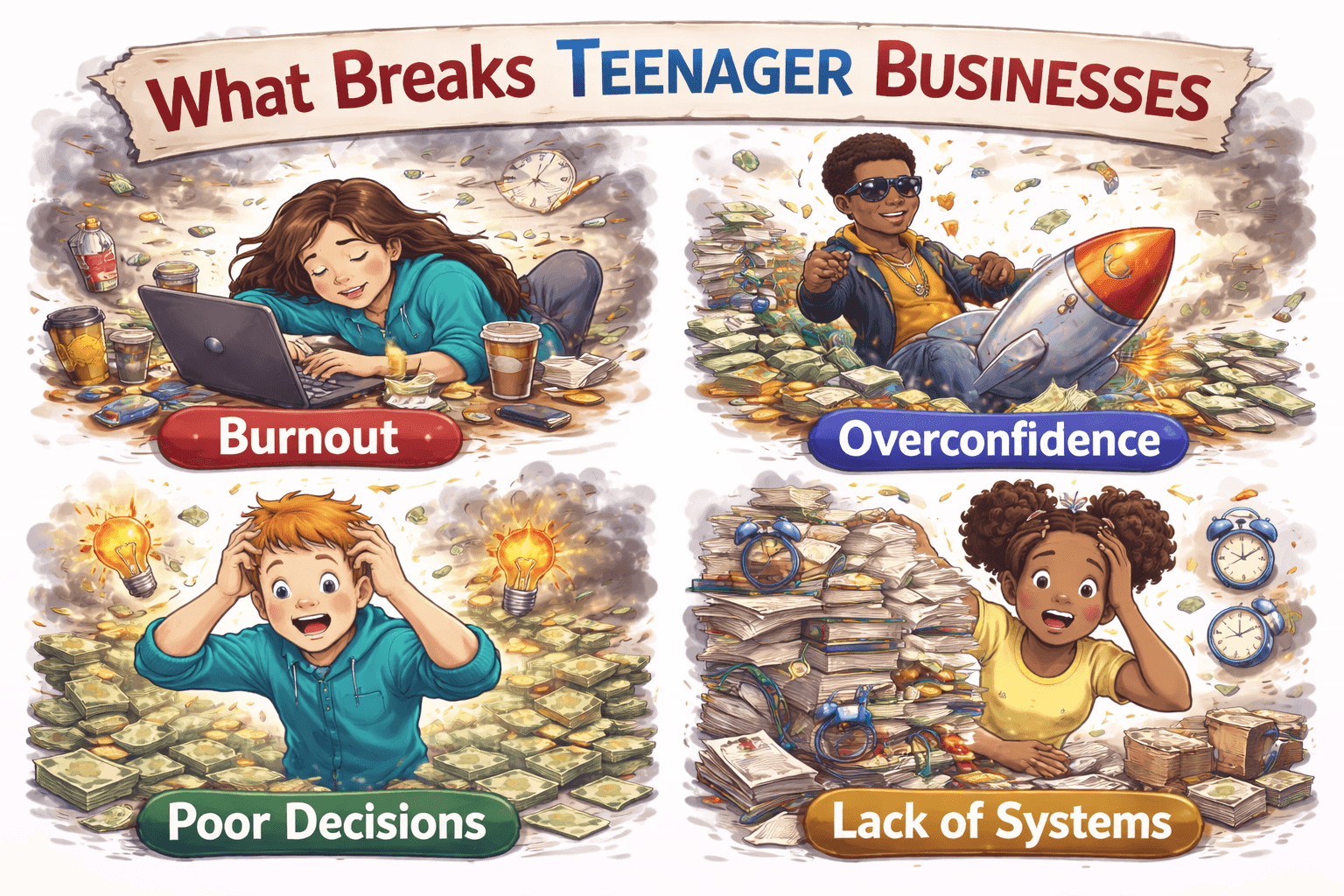
Illustration showing a Teenager-stage business under strain from overexpansion, misaligned hires, and lack of structure, symbolizing common breakdowns during rapid growth.
Hiring for a role like this right now? One call is usually enough for us to tell you whether we can fill it.
Book a CallWhat Breaks Teenager Businesses
Teenager businesses rarely collapse suddenly. They decay.
Growth continues, but coherence erodes. Systems multiply without integration. Decision-making slows or fragments. The organization becomes harder to steer.
Common failure patterns include expanding without compounding value, avoiding governance decisions, and allowing money to substitute for discipline.
The business does not fail immediately—it becomes increasingly expensive to fix.
The Specialist Resistance Problem
One of the most common forms of resistance at this stage is to specialists.
The logic is seductive:
“We’re already profitable. Why spend heavily on expertise we’ve survived without?”
The cost of delayed professionalization is not immediate. It accumulates quietly, surfacing later as operational drag, strategic missteps, or failed transitions.
Teenager businesses often pay more to fix what they avoided than they would have paid to stabilize it earlier.
Teenage Acquisitions (“Teenage Pregnancy”)
Some Teenager businesses attempt to accelerate maturity through acquisition.
Acquiring complexity before governability often introduces cultural friction, operational overload, and infrastructure costs the business cannot yet absorb.
Instead of stabilizing power, acquisitions amplify instability.
Without internal maturity, external growth compounds risk.
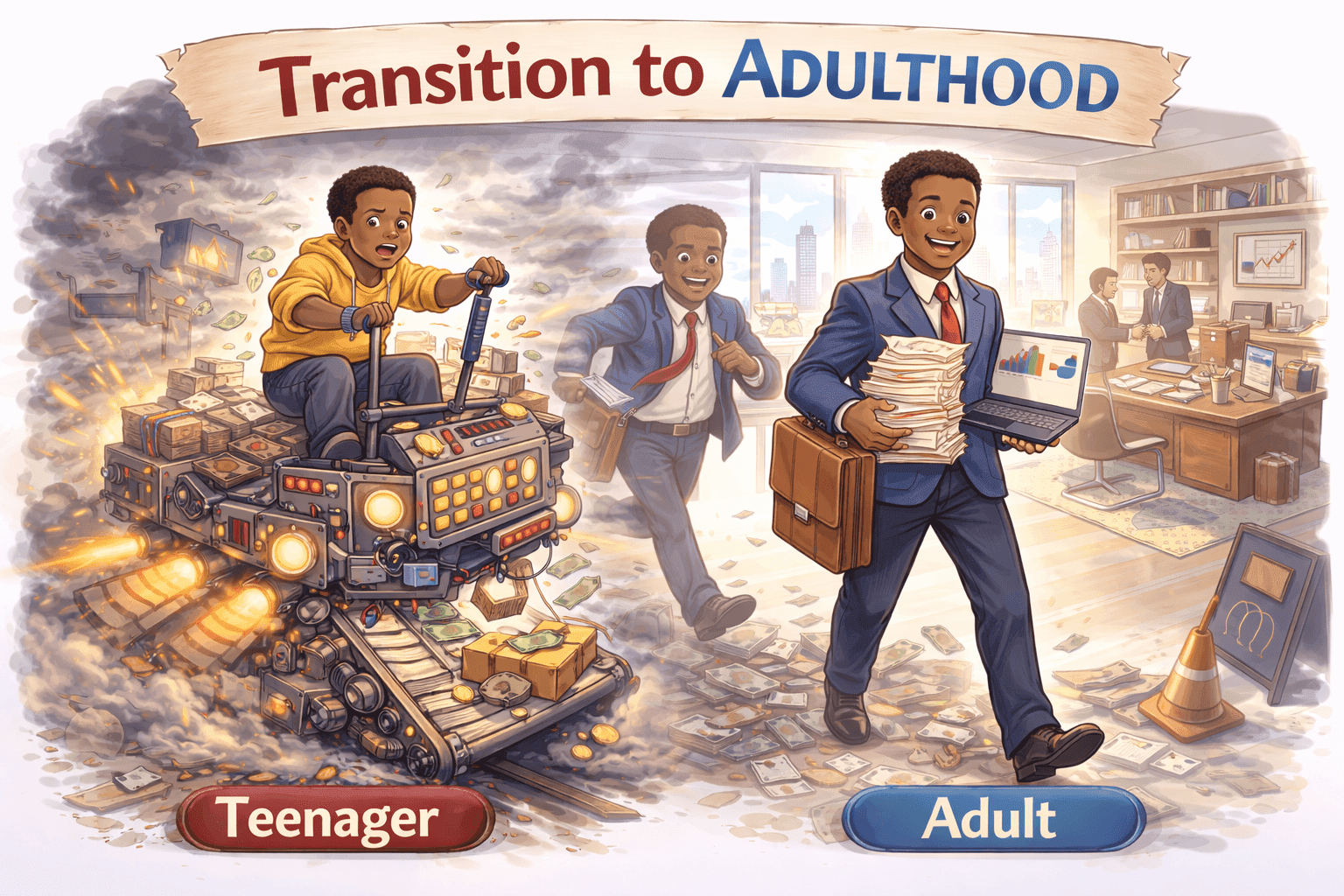
Illustration depicting a Teenager-stage business stabilizing and transitioning toward Adult-stage governance, structure, and long-term sustainability.
Teenager vs Adult: The Control and Governance Tests
The transition from Teenager to Adult is not marked by revenue milestones.
It is marked by control.
A business approaches adulthood when:
- Leadership changes do not destabilize operations
- Knowledge transfer creates friction, not failure
- Decisions are governed, not improvised
- Capital is chosen strategically, not relied upon
- The organization can refuse funding without consequence
If removing the founder or CEO causes collapse, the business is still a Teenager—regardless of size.
Adult businesses are not defined by whether they raise money, but by whether they remain in control when they do.
How TCE Thinks About Teenager Businesses
At The Chum Effect, Teenager businesses are approached through the lens of governability.
The focus is not on accelerating growth, but on consolidating power into systems that can withstand scrutiny, transition, and time.
This stage determines whether a business becomes durable or indefinitely adolescent. Guidance emphasizes clarity, authority, and institutional readiness over optics or valuation theater.
Longevity is treated as a design problem, not a reward for growth.
Where Teenager Fits in the BAAB Framework
Within the BAAB framework, the Teenager stage represents power consolidation without stability.
It follows the Toddler stage, where survival is secured, and precedes the Adult stage, where control is institutionalized.
Teenager businesses decide how long they will last.
Closing Perspective
Power without governance is temporary.
Money delays discipline, but it does not remove the need for it. Adulthood is not achieved through revenue, valuation, or visibility. It is earned through control.
A business becomes adult when it can govern itself—calmly, deliberately, and without dependence on any single person.
Frequently Asked Questions

We’re very profitable—why does this still feel chaotic?
Because power has outpaced governance. This is normal at the Teenager stage.
Do we really need adult systems now?
If scrutiny would expose fragility, governance is already overdue.
Is funding making us look more mature than we are?
Capital can mask immaturity, but it cannot replace control.
Are we ready for acquisition or debt?
Readiness depends on legibility, not performance alone.
What happens if leadership changes?
The answer to this question reveals the true stage of the business.
Hiring right now? Let's talk.
Book a 20-minute call with The Chum Effect. Bring the role you are struggling to fill and we will tell you honestly whether we can help, including when we are not the right fit.
Related articles
Business as a Baby (BAAB): A Stage-Based Way to Understand How Businesses Actually Grow
Toddler Businesses: Navigating Early Self-Sufficiency Without Losing Balance
Staffing: Hiring Without Breaking the Business
AI as a thinking Partner - People Edition
Most clarity problems aren’t confusion—they’re unstructured thinking. This article explains why thoughts stay messy in your head, how understanding forms when reasoning is externalized, and how to use AI as a thinking partner without outsourcing judgment.
Why Trust Is the Only Real Hiring Asset
Interviews, data, and tools can look perfect on paper. This piece explains why trust is what actually holds hiring systems together.
The Everyday Thinking Partner Rule
A simple rule for using AI without losing your judgment: let it clarify your thinking, not decide for you. Clearer mind. Same responsibility.


