

Why Toddler Businesses Should Grow Defensively
September 20, 2026 • 4 mins read
Quick Answer
Defensive growth means strengthening what already works before adding anything new. In young businesses, growth increases fragility as quickly as it increases revenue, because every new commitment rests on systems that have not been tested yet. Build resilience first, then speed.
By Chukwudum “Chumze” Chukwudebelu
Founder/CEO, TheChumEffect Creator of the BAAB Framework

Introduction
Most people think growth is always the goal.
More revenue.
More customers.
More momentum.
But at the toddler stage of a business, growth is not what keeps you alive. Stability does.
This is the stage where many businesses don’t fail loudly — they collapse quietly because growth arrived before resilience.
Survival Comes First — Even After Revenue Appears
Once a business starts generating revenue, something dangerous happens psychologically.
You stop thinking like someone trying to survive.
You start thinking like someone who has made it.
But revenue does not mean stability yet.
At the toddler stage:
- Money may be coming in
- Demand may be real
- Momentum may feel obvious
And still — the business is fragile.
Survival didn’t end when revenue began. It just became less visible.
What the Toddler Stage Actually Is
A toddler business can move.
But it cannot absorb shocks.
Typical signs:
- Revenue exists, but it’s concentrated
- One client, one channel, or one person matters too much
- The founder is still holding the business together
- Systems exist informally, not structurally
Nothing here is wrong.
This is normal development.
The mistake is assuming this stage is about speed.
Growth, Scale, and Stability Are Different Things
At this stage, people mix these concepts — and that confusion causes damage.
- Growth = more activity
- Scale = handling volume without breaking
- Stability = surviving loss, delay, or pressure
Most toddler businesses grow before they are stable.
That growth feels productive — until something breaks.
Why Defensive Growth Is the Right Goal
Defensive growth means growing in ways that reduce fragility, not increase it.
The real questions at this stage aren’t:
How fast can we grow?How much more can we take on?
They are:
- What happens if one client leaves?
- What happens if revenue pauses?
- What breaks if I step away for a week?
- Where is the business still dependent on me?
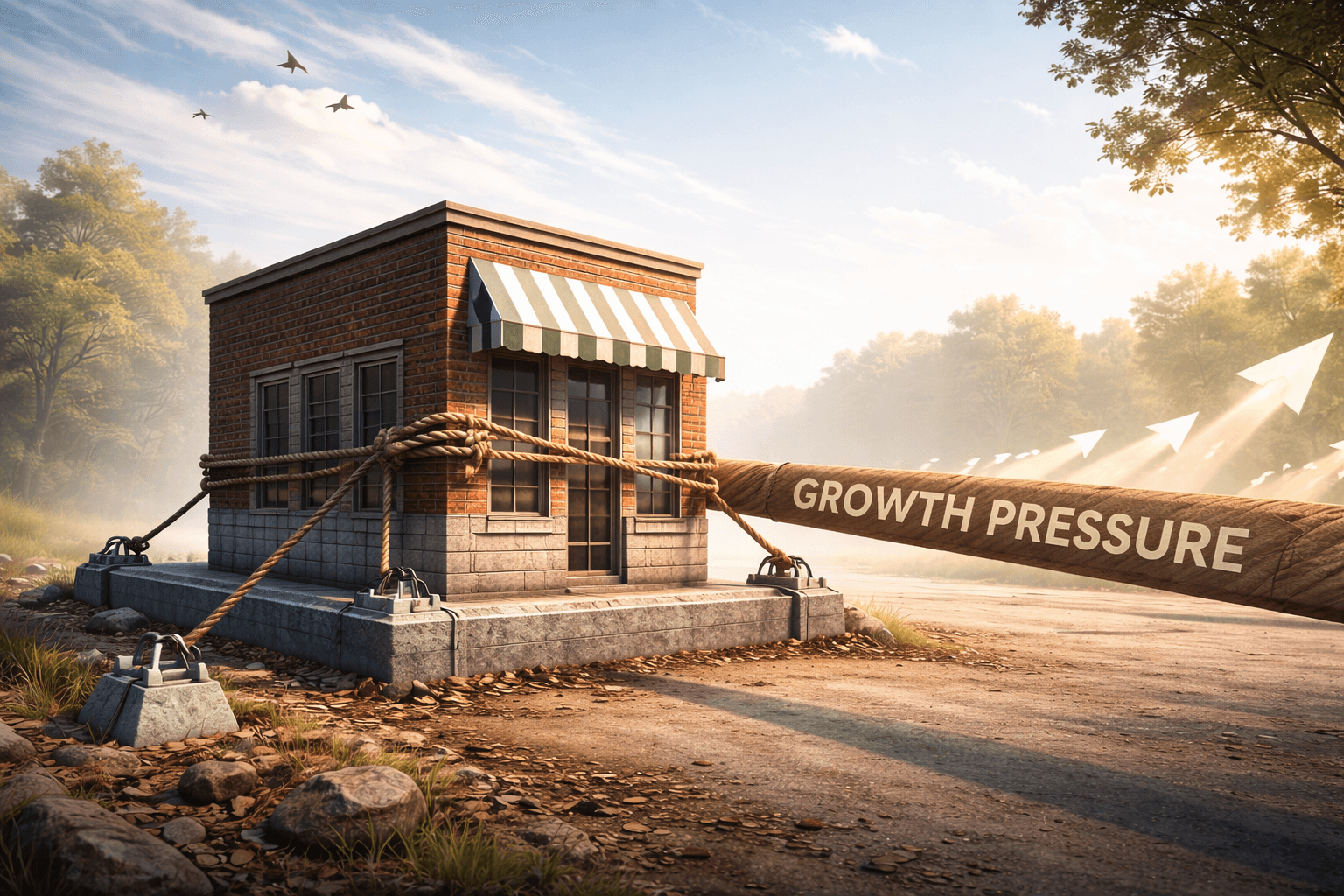
If growth increases pressure faster than resilience, it’s not progress — it’s exposure.
What Breaks When Growth Comes Too Early
When toddler businesses grow aggressively, the same failures appear again and again:
- Founder burnout
- Operational shortcuts becoming permanent
- Emotional overconfidence after early wins
- Dependency disguised as momentum
- Systems stretched before they exist
Nothing explodes immediately.
Things just start cracking quietly — until the business can’t recover.
Hiring for a role like this right now? One call is usually enough for us to tell you whether we can fill it.
Book a CallThe VC and Internal Venture Problem
This is not about blaming investors.
But funding can turn businesses into premature toddlers.
When money replaces survival learning:
- Resilience is skipped
- Confidence grows faster than capability
- Pressure arrives before stability
This helps explain why most VC-backed companies fail — not because the ideas are bad, but because foundational survival skills were never learned.
The same thing happens inside large companies running internal ventures: resources exist, but the venture never learns how to stand on its own.
Defensive Growth vs Aggressive Growth
Aggressive growth asks:
How fast can we hire?How quickly can we expand?How much capital can we deploy?
Defensive growth asks:
- What fails if momentum slows?
- What breaks under pressure?
- What still depends on one person?
- Where is the business fragile?
One builds confidence.
The other builds durability.
How This Fits the BAAB Frame
In Business as a Baby, this pattern is clear.
A toddler can walk — but that doesn’t mean they understand falling yet.
Businesses at this stage often move confidently before experiencing real stress, loss, or shock. Defensive growth allows learning without fatal consequences.
When Growth Becomes Safer
Growth becomes safer when:
- Losing a client doesn’t cause panic
- The business survives delays
- The founder isn’t the only stabilizer
- Systems exist beyond hustle and memory
Until then, growth should strengthen foundations — not test their limits.
Final Thought
If this feels familiar, you’re not behind.
You’re just at the stage where how you grow matters more than how fast you grow.
Sometimes the smartest next step isn’t more momentum.
Sometimes it’s just talking it through before something breaks.
Frequently Asked Questions

Isn’t revenue growth the lifeblood of a business?
Revenue matters, but resilience keeps revenue alive.
Should toddler businesses avoid growth?
No — they should grow defensively, not aggressively.
Why do funded startups still fail so often?
Because funding can replace survival learning, not resilience.
How do I know if I’m growing too fast?
If growth increases stress, dependency, or fragility faster than capacity, it’s too fast.
Hiring right now? Let's talk.
Book a 20-minute call with The Chum Effect. Bring the role you are struggling to fill and we will tell you honestly whether we can help, including when we are not the right fit.
Related articles
Why Businesses Don’t Survive the Jump to Scale
Why Fixing the Wrong Problem Makes Things Worse
When pressure hits, action feels necessary—but reacting to the wrong signal can compound damage. This piece explains why clarity matters more than speed.
Why Your Business Feels Bigger Than It Actually Is
Why Losing One Customer Can Change Everything
Early businesses aren’t built on redundancy yet. Losing one customer reveals structural risk—and often becomes a turning point.
The Everyday Thinking Partner Rule
A simple rule for using AI without losing your judgment: let it clarify your thinking, not decide for you. Clearer mind. Same responsibility.
Why Trust Is the Only Real Hiring Asset
Interviews, data, and tools can look perfect on paper. This piece explains why trust is what actually holds hiring systems together.


