


Why Losing One Customer Can Change Everything
February 7, 2026 • 3 mins read
Quick Answer
Losing one customer matters because it exposes concentration risk and structural fragility before true resilience is built.
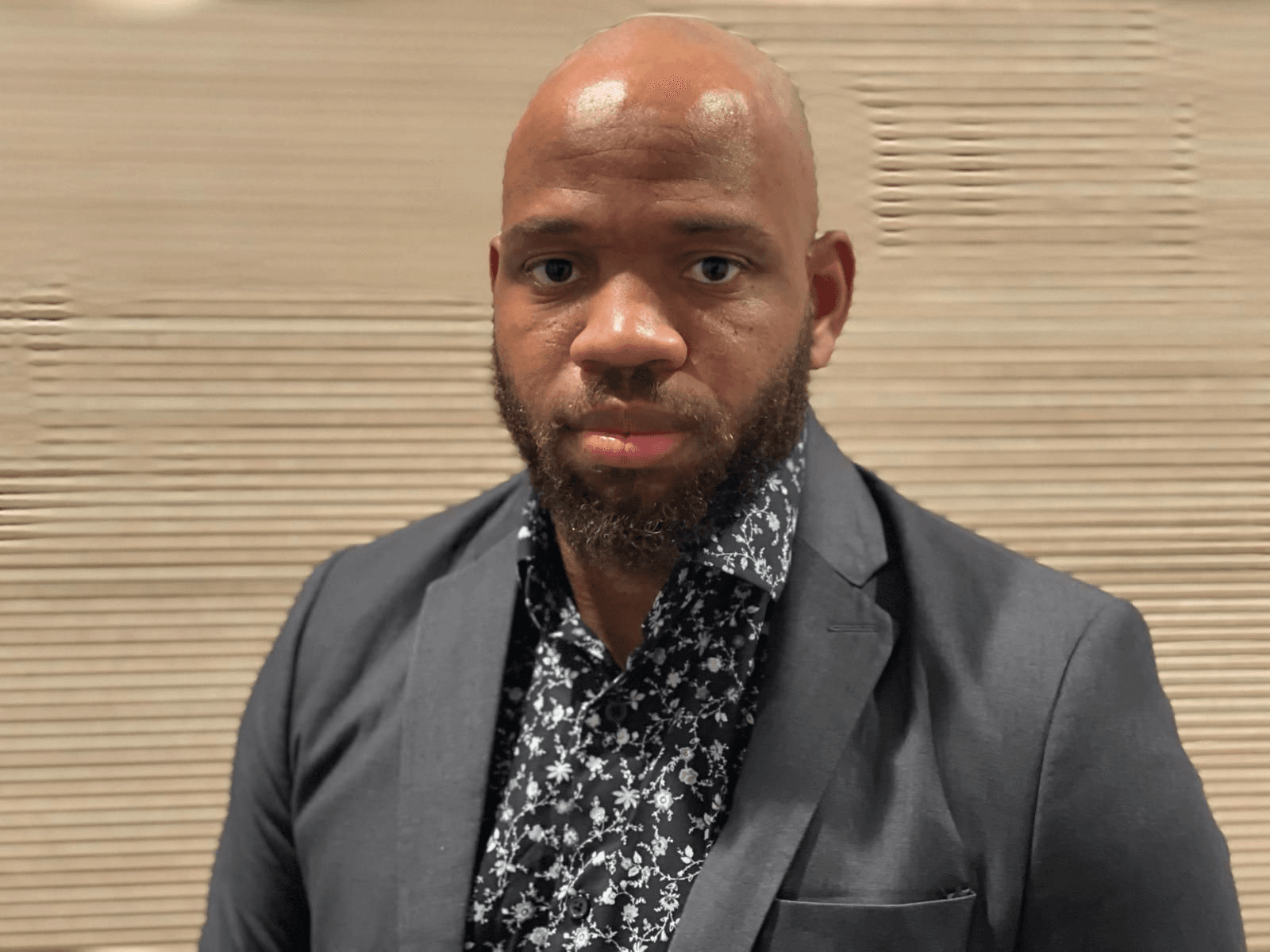
By Chukwudum “Chumze” Chukwudebelu
Founder/CEO, TheChumEffect Creator of the BAAB Framework


Introduction
Losing one customer shouldn’t end a business.
But at certain stages, it can change everything.
Not because the revenue disappears overnight — but because what that loss reveals can’t be unseen.
When One Loss Feels Bigger Than It Should
On paper, it doesn’t make sense.
You still have a business.
You still have revenue.
Nothing “catastrophic” happened.
Yet something feels off.
That’s because early businesses aren’t built on redundancy yet. They’re built on assumptions — and losing one customer quietly breaks several of them at once.
What Losing One Customer Actually Exposes
At this stage, losing one customer doesn’t just reduce revenue. It reveals:
- How concentrated your income really is
- Whether your business runs on systems or effort
- How much emotional weight one relationship carried
It shows the difference between:
“We have customers”
and
“We have a business that can absorb loss.”
That distinction matters more than most founders realize.
The Toddler-Stage Reality
In the Business as a Baby (BAAB) framework, this moment usually happens at the toddler stage.
You’re no longer just experimenting.
You’ve had wins.
You’ve seen money come in.
But the business is still fragile.
At this stage:
- Revenue does not equal resilience
- Consistency does not equal safety
- Momentum does not equal durability
Losing one customer exposes what hasn’t been built yet — not what you’ve done wrong.
Why This Moment Changes the Business Forever
This is often the first real shock.
The moment the business realizes it’s mortal.
Like a toddler who falls hard for the first time, you don’t move the same afterward. You become aware that injury is possible — and that awareness never fully goes away.
Handled well, this moment matures the business.
Handled poorly, it creates fear-driven decisions.
Two Common Mistakes After Losing One Customer
1. Panic Replacement
Rushing to replace the lost customer emotionally:
- Lowering standards
- Accepting misaligned work
- Chasing revenue instead of understanding risk
2. Overcorrection
Trying to fix everything at once:
- Rebuilding offers
- Adding complexity
- Changing direction prematurely
Both reactions come from discomfort, not clarity.
Hiring for a role like this right now? One call is usually enough for us to tell you whether we can fill it.
Book a CallWhat Should Change and What Shouldn’t
What should change:
- Awareness of concentration risk
- Thoughtfulness around revenue distribution
- How exposed the business really is
What shouldn’t change:
- Your core offer
- Your pace
- Your identity as a business
This moment is diagnostic — not destructive.
How This Fits the BAAB Framework
In the BAAB framework, losing one customer at this stage is not failure.
It’s a normal developmental shock.
It’s the business learning that survival requires more than momentum. It requires structure — and that structure hasn’t been built yet.
That’s okay.
This is how it begins.
The Quiet Opportunity Inside the Loss
Losing one customer early is painful — but it’s cheaper than losing ten later.
This moment creates:
- Better judgment
- Defensive thinking
- Real maturity
It’s often the turning point between looking stable and becoming resilient.
A Final Thought
If losing one customer shook more than you expected, that’s not weakness.
It’s awareness arriving.
And awareness, handled correctly, is how real businesses are built.
Frequently Asked Questions

Is it normal for a business to feel unstable after losing one client?
Yes. At this stage, one loss exposes structural gaps, not incompetence.
Should I replace the lost customer immediately?
Not emotionally. Understand why the loss hurt before rushing replacement.
Does this mean my business model is broken?
No. It usually means your distribution and resilience aren’t built yet.
How many customers make a business “safe”?
There’s no fixed number — only how evenly risk is spread.
Hiring right now? Let's talk.
Book a 20-minute call with The Chum Effect. Bring the role you are struggling to fill and we will tell you honestly whether we can help, including when we are not the right fit.
Related articles
Why Businesses Don’t Survive the Jump to Scale
Why Fixing the Wrong Problem Makes Things Worse
When pressure hits, action feels necessary—but reacting to the wrong signal can compound damage. This piece explains why clarity matters more than speed.
Why Your Business Feels Bigger Than It Actually Is
Why Toddler Businesses Should Grow Defensively
Growth can quietly increase fragility in young businesses. This article explains why defensive growth builds resilience before speed.
The Everyday Thinking Partner Rule
A simple rule for using AI without losing your judgment: let it clarify your thinking, not decide for you. Clearer mind. Same responsibility.
Why Trust Is the Only Real Hiring Asset
Interviews, data, and tools can look perfect on paper. This piece explains why trust is what actually holds hiring systems together.


