


Why Fixing the Wrong Problem Makes Things Worse
September 20, 2026 • 3 mins read
Quick Answer
Under pressure, acting feels safer than pausing, but responding to the wrong signal compounds the damage. The cost is not only the wasted effort, it is the time spent while the real problem keeps running. Clarity about what is actually breaking matters more than speed.
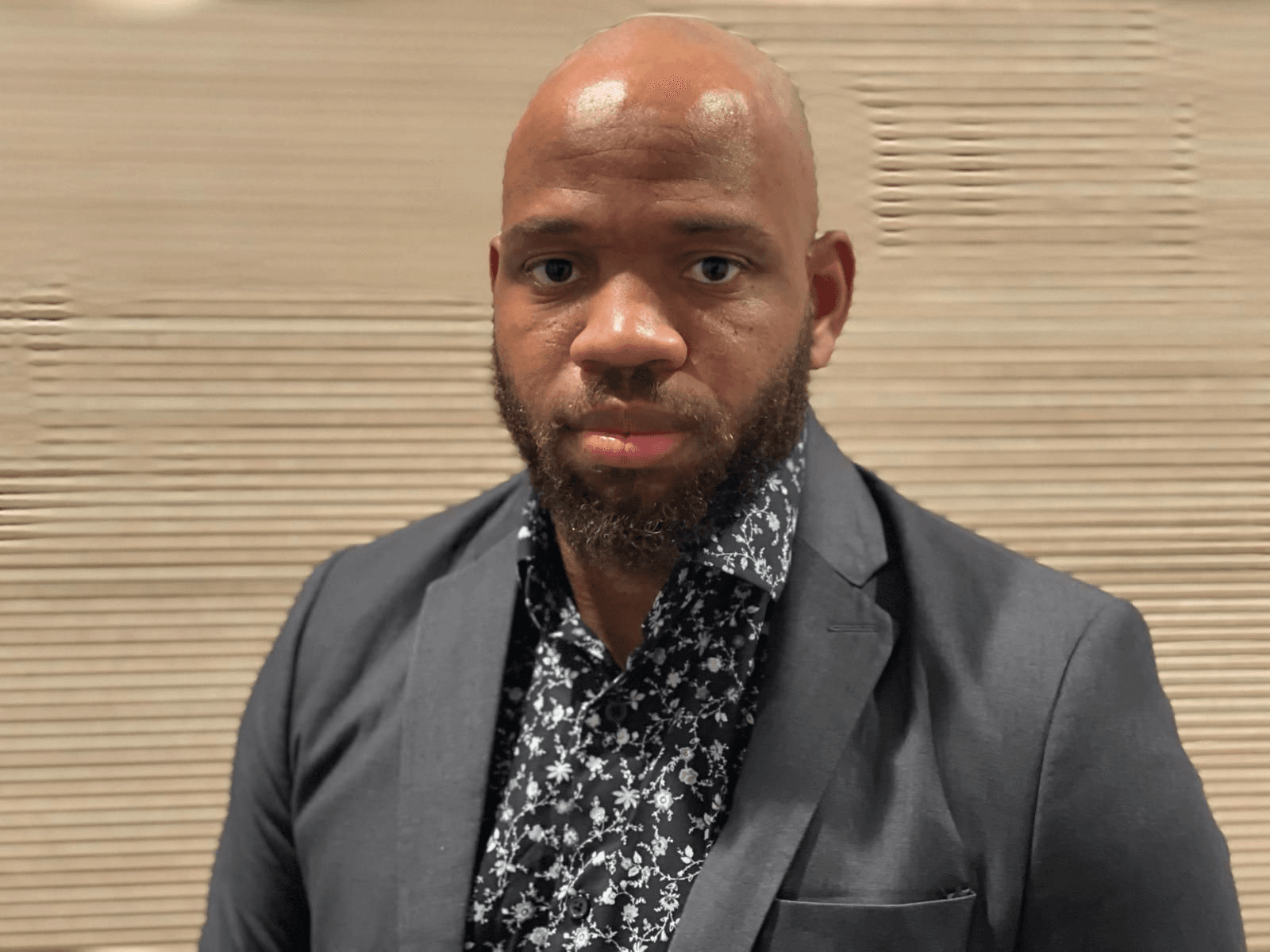
By Chukwudum “Chumze” Chukwudebelu
Founder/CEO, TheChumEffect Creator of the BAAB Framework


Introduction
At some point, something breaks.
Revenue dips.
A customer leaves.
Operations feel messy.
You feel pressure to do something — fast.
So you act.
And instead of things improving, they get worse.
That doesn’t mean you were lazy.
It doesn’t mean you didn’t care.
It doesn’t mean you made a stupid decision.
It usually means you fixed the wrong problem.
When Action Backfires
Most founders don’t fail because they ignore problems.
They fail because they react too quickly to the wrong signal.
At this stage, your business isn’t fragile like a newborn anymore.
It has movement.
Some traction.
Some momentum.
But it’s also not stable enough to absorb mistakes.
In the BAAB framework, this is classic toddler behavior:
movement before full understanding.
You can walk.
You can act.
But you don’t yet know how to diagnose what’s actually wrong.
The Most Common “Wrong Problems” People Try to Fix
These decisions make sense in the moment.
That’s why they’re dangerous.
- Fixing marketing when the real issue is delivery capacity
- Hiring people when the real issue is role clarity
- Raising prices when the real issue is customer fit
- Chasing new customers when retention is broken
- Switching tools when the system itself is unclear
None of these are irrational moves.
They’re logical responses to the wrong diagnosis.
Why Fixing the Wrong Problem Feels Right
Action creates relief.
When something feels out of control, doing anything feels better than doing nothing.
Especially when:
- Revenue exists
- People are watching
- You feel responsible for outcomes
Movement feels like progress.
Complexity feels like sophistication.
But action without clarity doesn’t solve instability — it amplifies it.
How the Damage Compounds
Every wrong fix creates a second problem.
You:
- Add complexity before understanding
- Drain time and energy
- Mask the original issue
- Make future diagnosis harder
It’s like trying to run on an injured leg.
You’re still moving.
You’re still active.
But every step delays healing — and increases the risk of a real collapse.
This is why businesses often feel busier right before things break.
Hiring for a role like this right now? One call is usually enough for us to tell you whether we can fill it.
Book a CallHow to Pause Without Freezing
Pausing doesn’t mean giving up.
It means stopping the damage.
A few grounding moves:
- Stop adding new fixes
- Trace the issue back to what changed first
- Identify the moment stability shifted
- Separate urgency from importance
You don’t need more action yet.
You need clarity.
Where This Fits in the Bigger Picture
This pattern shows up again and again.
In the BAAB framework, toddlers don’t fail because they move.
They fail when movement replaces understanding.
You don’t need to stop walking.
You need to learn why you’re stumbling.
If This Feels Familiar
If you’ve been fixing things and watching them get worse,
the issue usually isn’t effort.
It’s diagnosis.
Sometimes the fastest way forward isn’t another fix —
it’s slowing down and talking it through.
Frequently Asked Questions

How do I know if I’m fixing symptoms instead of causes?
If each fix creates a new problem, you’re likely treating symptoms. Causes simplify things; symptoms multiply them.
Why does taking action sometimes make things worse?
Because action adds complexity. Without clarity, complexity increases pressure instead of reducing it.
Should I pause everything if I’m unsure what the real problem is?
Pause new fixes, not core operations. Stabilize before changing direction.
Is this a sign my business is failing?
No. It’s a sign your business has reached a stage where diagnosis matters more than speed.
Hiring right now? Let's talk.
Book a 20-minute call with The Chum Effect. Bring the role you are struggling to fill and we will tell you honestly whether we can help, including when we are not the right fit.
Related articles
Why Businesses Don’t Survive the Jump to Scale
Why Your Business Feels Bigger Than It Actually Is
Why Toddler Businesses Should Grow Defensively
Growth can quietly increase fragility in young businesses. This article explains why defensive growth builds resilience before speed.
Why Losing One Customer Can Change Everything
Early businesses aren’t built on redundancy yet. Losing one customer reveals structural risk—and often becomes a turning point.
The Everyday Thinking Partner Rule
A simple rule for using AI without losing your judgment: let it clarify your thinking, not decide for you. Clearer mind. Same responsibility.
Why Trust Is the Only Real Hiring Asset
Interviews, data, and tools can look perfect on paper. This piece explains why trust is what actually holds hiring systems together.


