


Contract-to-Hire vs Direct Hire: How to Choose
September 20, 2026 • 5 mins read
Quick Answer
Direct hire brings someone on permanently from day one and costs a one-time fee of 15-30% of first-year salary. Contract-to-hire starts them as a contractor on an hourly markup with the option to convert later. Choose by how certain you are about the role and the person.
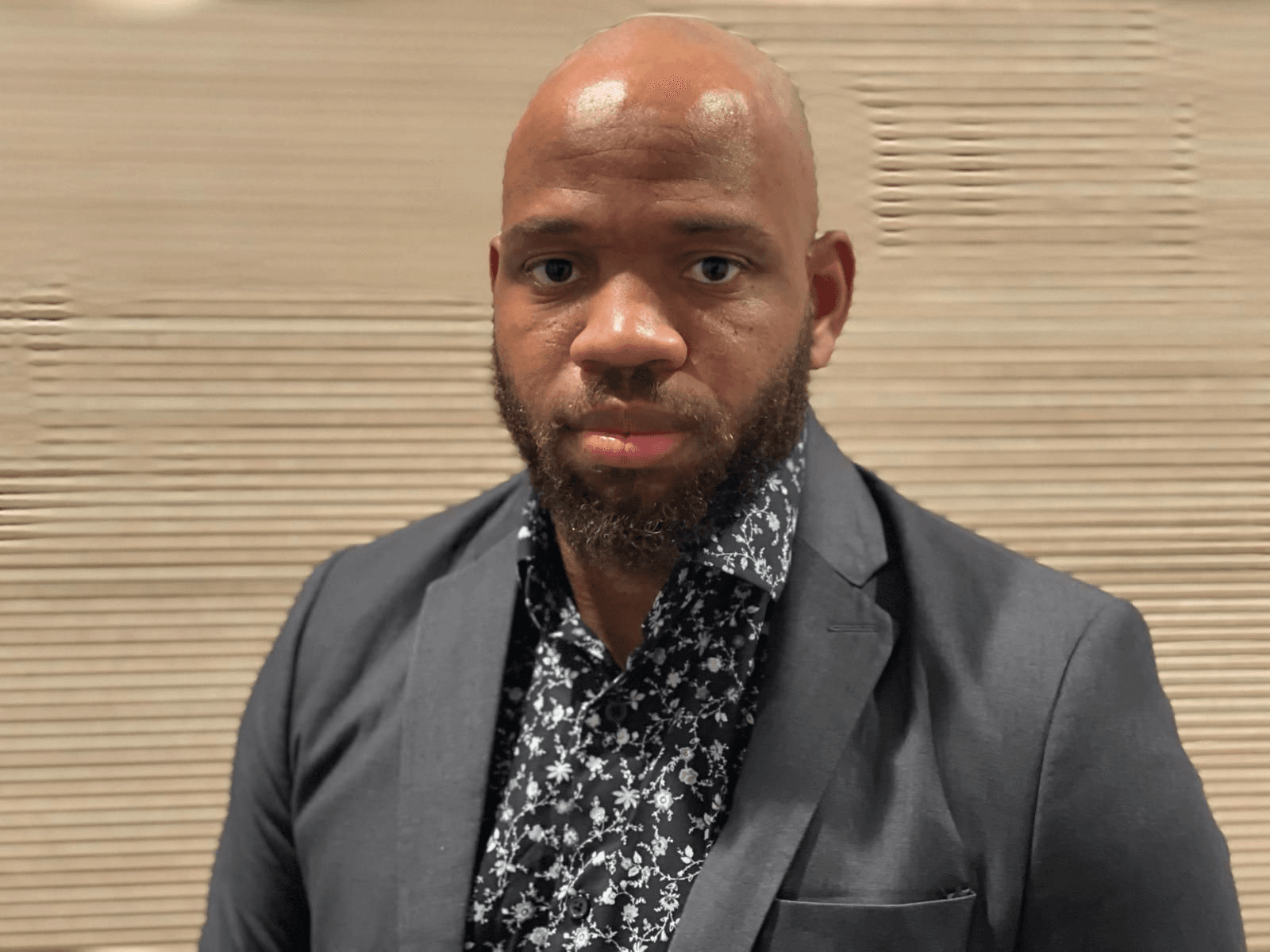
By Chukwudum “Chumze” Chukwudebelu
Founder/CEO, TheChumEffect Creator of the BAAB Framework

The short answer
Direct hire brings someone on permanently from day one, for a one-time fee commonly 15-30% of first-year base salary. Contract-to-hire starts them as a contractor billed at an hourly markup, with the option to convert to permanent later for a conversion fee.
The deciding question is not cost. It is certainty. If you are confident about both the role and the profile, direct hire is cheaper and attracts stronger candidates. If either is genuinely unproven, contract-to-hire is what that uncertainty is worth paying for.
How the two models compare
| Direct hire | Contract-to-hire | |
|---|---|---|
| Employment from day one | Your employee | Agency's employee, working for you |
| What you pay | One-time fee, commonly 15-30% of first-year base | Hourly markup, commonly 25-50%, plus a conversion fee if you convert |
| Conversion fee | Not applicable | Commonly 11-21% of projected first-year salary, often declining over time |
| Exit if it is not working | Termination, with the cost and process that carries | End the contract |
| Candidate pool | Wider, includes people who will not leave a permanent job for a contract | Narrower, some strong candidates decline contract terms |
| Best when | Role and profile are both proven | Role is new, or the profile is uncertain |
| Cheaper over | Longer than roughly a year | Short or uncertain durations |
When does direct hire make more sense?
Direct hire is the right default for established roles you know you need filled permanently.
It is cheaper over any meaningful horizon, because a one-time fee stops and an hourly markup does not. A contractor kept on markup for two or three years usually costs considerably more than the placement fee would have.
It also gets you better candidates for most roles. Strong people already in stable permanent jobs frequently will not move for a contract, whatever the rate. If you need someone currently employed and doing well somewhere else, contract-to-hire narrows your pool before the search starts.
And it signals commitment. Candidates read a contract-to-hire posting for a clearly permanent role as hesitancy, and the strongest ones have options.
When is contract-to-hire the better call?
Contract-to-hire is genuinely right in three situations.
The role itself is unproven. You think you need this function but have not run it before. Contracting first lets the role's actual shape emerge before you commit a permanent headcount to a job description that may be wrong.
The profile is uncertain. You are choosing between two quite different backgrounds and cannot resolve it in interviews. Work reveals what interviews do not.
Budget or headcount approval is not settled. Contract spend often sits in a different budget line than headcount, and contract-to-hire can be the practical route to getting work started while approval moves.
What it is not for is avoiding a decision you could make properly. Using contract-to-hire because your interview process does not give you confidence is treating a symptom. The process is the problem, and it will still be the problem after the contract ends.
What does each actually cost?
Take a $120,000 role.
Direct hire at 20% is roughly $24,000, paid once.
Contract-to-hire at a $58/hour pay rate with a 40% markup bills about $81/hour, roughly $13,500 a quarter above the pay rate in agency margin. Convert after six months at a 15% conversion fee and you add about $18,000.
The comparison depends almost entirely on how long the contract period runs before conversion. Short periods are competitive with direct hire. Long ones are not, and open-ended contracting is the most expensive way to employ someone permanently.
Ask for the conversion fee schedule in writing before the contract starts. Many agencies reduce it the longer the person has contracted, and some waive it entirely after a defined period. That schedule changes the maths more than the markup does.
How to decide
Ask two questions in order.
Am I certain this role should exist permanently? If no, contract first. You are buying information about the role.
Am I certain about this profile? If yes to the first and no to the second, contract-to-hire. If yes to both, direct hire, and do not pay a markup for certainty you already have.
If the honest answer to the second question is that your interview process does not tell you enough about anyone, that is worth fixing separately. No employment model compensates for an evaluation process that does not produce confidence.
How we handle both
The Chum Effect places people on both models: direct placement when the role and profile are settled, and contract-to-hire when one of them genuinely is not. We also run straight contract staffing for work that is temporary by design.
The two questions at the end of this article are the ones we will ask you, in that order. If the honest answer is that your interview process does not give you enough confidence in anyone, we would rather fix that than sell you a contract period to compensate for it.
That is the part we are actually built around. Every candidate is interviewed by a human before you meet them, and the interviews are recorded, so the decision rests on what someone demonstrably said and reasoned rather than on how they made someone feel in a thirty-minute call.
Frequently Asked Questions

Is contract-to-hire cheaper than direct hire?
Only over short periods. Direct hire is a one-time fee while contract-to-hire is a continuous markup plus a conversion fee, so direct hire is usually cheaper for anything lasting longer than roughly a year.
What is a typical contract-to-hire conversion fee?
Commonly 11-21% of projected first-year salary, frequently declining the longer the person has contracted and sometimes waived after a set period. Agree the schedule in writing before the contract begins.
Does contract-to-hire limit the candidates I can attract?
Yes, to a degree. Strong candidates in stable permanent roles often will not move for contract terms. If you need people currently employed and doing well elsewhere, contract-to-hire narrows the pool before you start.
Who employs the person during a contract-to-hire period?
The staffing agency does. They handle payroll, employer taxes, workers' compensation and benefits, which is part of what the markup covers. The person works for you day to day but is not on your payroll until conversion.
When should I use contract-to-hire instead of direct hire?
When the role itself is new and unproven, when you genuinely cannot resolve between candidate profiles through interviews, or when contract budget is available and permanent headcount approval is not yet settled.
Can I convert a contractor to permanent at any time?
Usually yes, subject to the conversion fee in your agreement. The fee commonly decreases the longer they have contracted, so the timing has a direct cost. Check the schedule before you sign.
Related articles
Embedded Recruiter vs Staffing Agency vs RPO: Which Hiring Model Fits
Embedded recruiting, contingency agencies and RPO solve different problems. Compare how each is paid, where the recruiter sits, and the volume arithmetic that determines which one costs you less.
How Much Do Staffing Agencies Charge? A Breakdown for Employers
Direct hire fees, contract markups and conversion fees explained, with the questions that change what you actually pay and the arithmetic for deciding which model is cheaper at your hiring volume.
Questions to Ask Before Choosing a Staffing Agency
Most companies pick a staffing agency on price and speed. These are the questions that actually predict whether the engagement works, covering screening, fees, guarantees, who does the work, and the performance data agencies rarely volunteer.
Why Hiring Mistakes Compound Over Time
Most hiring mistakes don’t fail fast. They adapt, spread, and quietly reshape teams until the cost becomes unavoidable.
Why Fixing the Wrong Problem Makes Things Worse
When pressure hits, action feels necessary—but reacting to the wrong signal can compound damage. This piece explains why clarity matters more than speed.
Why Advice From Successful Founders Often Fails Early Startups
You did everything they said. You watched the interviews. You read the threads. You followed the playbooks. #### And yet, nothing is working.


