


Why Hiring Mistakes Compound Over Time
September 20, 2026 • 4 mins read
Quick Answer
Most hiring mistakes do not fail quickly. The person adapts, the team works around them, and the cost spreads into decisions, standards and later hires before anyone names it. That delay is why hiring errors are usually found long after the point where they were cheap to fix.
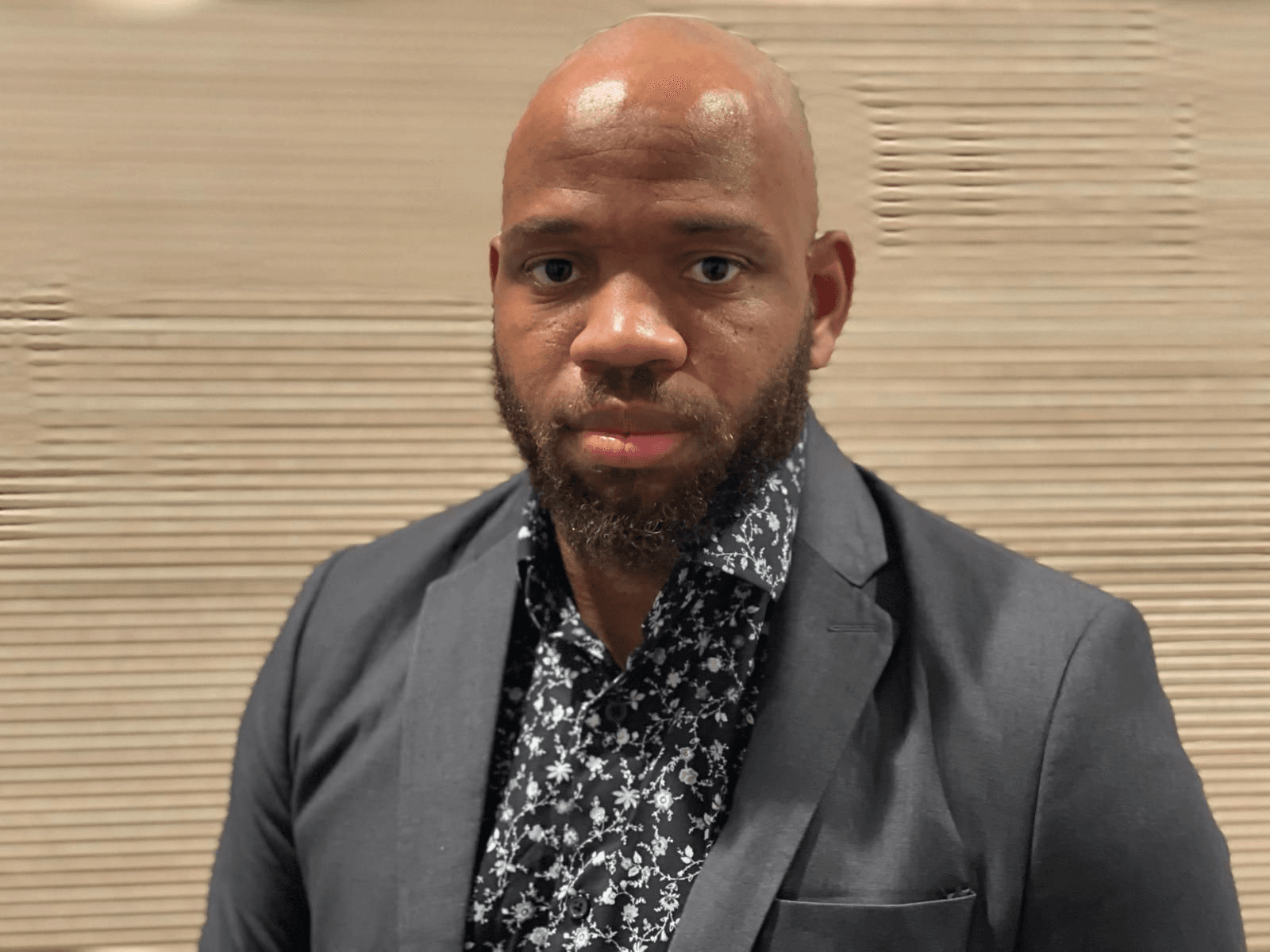
By Chukwudum “Chumze” Chukwudebelu
Founder/CEO, TheChumEffect Creator of the BAAB Framework


Introduction
“It wasn’t a disaster. It just wasn’t right.”
The hire showed up.
The work got done.
Nothing broke.
There were gaps, but they felt manageable. The team assumed the issues were temporary — part of onboarding, part of growth, part of learning the role.
So the decision stayed.
That’s how hiring mistakes become expensive without ever feeling urgent.
Why Early Hiring Issues Are Easy to Ignore
Most hiring mistakes don’t announce themselves.
They arrive quietly.
The person isn’t incompetent.
They’re just misaligned.
And misalignment is easy to rationalize early on:
- “They’re still ramping.”
- “The role wasn’t perfectly defined.”
- “Everyone needs time.”
- “We’ve already invested a lot.”
Early discomfort feels normal because it often is normal. The problem is that real misalignment looks almost identical to early adjustment.
Teams choose patience over correction — not because they’re careless, but because they’re optimistic.
The Broken Assumption
Most organizations operate with this quiet belief:
A small hiring mistake stays small.
That assumption is wrong because people don’t exist in isolation.
People shape:
- workflows
- standards
- expectation
- show problems are solvedwhat gets tolerated
When a role is misfilled, the system doesn’t reject it.
The system adapts.
How Misalignment Spreads Through a System
Hiring mistakes compound because organizations compensate instead of correcting.
That compensation shows up in subtle ways:
- teammates pick up slack without saying anything
- managers add extra check-ins
- processes get modified “temporarily”standards quietly lower to match reality
None of these changes feel dramatic.
They feel reasonable.
But each accommodation locks the misalignment deeper into the system.
Why “Good Enough” Is the Most Dangerous Zone Drag
The most damaging hires aren’t obvious failures.
They’re “good enough.”
Good enough to:
- stay employed
- pass reviews
- avoid escalation
- justify patience
But not aligned enough to:
- remove friction
- carry responsibility independently
- raise the system’s baseline
Because nothing explodes, the cost stays invisible.
Until you look closely.
How Hiring Mistakes Multiply Over Time
One mis-hire doesn’t stay one mis-hire.
It creates secondary effects:
- a second hire is made to compensate
- a role is split unnaturally
- oversight layers increase
- communication overhead grows
Eventually, the organization isn’t just carrying one mismatch.
It’s carrying an entire structure built around avoiding that mismatch.
At that point, removing the original issue feels disruptive — even though it caused the disruption in the first place.
Why Time Makes Correction Emotionally Harder
Time doesn’t just increase operational cost.
It increases emotional cost.
Over time:
- relationships form
- loyalty developspersonal context enters the equation
- decisions feel personal instead of structural
What could have been a clean correction early becomes a complex human problem later.
So teams delay again.
And again.
Hiring for a role like this right now? One call is usually enough for us to tell you whether we can fill it.
Book a CallWhat “We’ll Fix It Later” Actually Means
Most teams don’t fix hiring mistakes later.
They normalize them.
That normalization looks like:
- “This is just how this role works.”
- “We’ll design around it.”
- “It’s not worth the disruption.”
- “Let’s revisit next quarter.”
Each delay increases the cost of honesty.
At some point, the organization forgets what “right” even looked like.
Why Compounding Costs Are Hard to Measure
Hiring mistakes don’t show up as a single metric.
They appear as:
- slower decision-making
- higher coordination cost
- quiet resentment
- burnout among high performers
- confusion about ownership
Because the cost is distributed, no one owns it.
Until momentum slows.
Why Early Precision Is Cheaper Than Adaptation
The uncomfortable truth is this:
Early correction feels harsh.
Long-term adaptation is harsher.
Correcting early:
- limits blast radius
- preserves standards
- protects high performers
- keeps systems clean
Waiting feels kind.
It isn’t.
It just moves the cost downstream.
What to Do If This Feels Familiar
If you notice:
- repeated work
- aroundsthe same issues resurfacingstrong people compensating quietlyroles bending unnaturally
Those aren’t isolated problems.
They’re compounding ones.
Ask:
- What are we adapting around?
- What misalignment did this start with?
- What would have been cheaper to address early?
The Real Cost of Delay
Hiring mistakes rarely destroy companies overnight.
They erode them slowly.
They lower standards quietly.
They exhaust strong contributors.
They make everything feel heavier than it should.
And by the time the damage is obvious, the cost of correction feels unbearable.
Frequently Asked Questions

Isn’t some level of hiring error inevitable?
Yes. The goal isn’t perfection — it’s fast correction.
How quickly should you address a mis-hire?
As soon as misalignment becomes visible, not once damage is done.
What if performance improves slowly?
Improvement matters, but alignment matters more.
How do you avoid overreacting?
By anchoring decisions to role requirements, not emotions.
Does correcting early hurt morale?
Unaddressed misalignment hurts morale more. Hiring mistakes don’t stay small. They compound — structurally, emotionally, and operationally. Early clarity isn’t ruthless. It’s responsible.
Hiring right now? Let's talk.
Book a 20-minute call with The Chum Effect. Bring the role you are struggling to fill and we will tell you honestly whether we can help, including when we are not the right fit.
Related articles
Why Trust Is the Only Real Hiring Asset
Interviews, data, and tools can look perfect on paper. This piece explains why trust is what actually holds hiring systems together.
How Much Do Staffing Agencies Charge? A Breakdown for Employers
Direct hire fees, contract markups and conversion fees explained, with the questions that change what you actually pay and the arithmetic for deciding which model is cheaper at your hiring volume.
Warehouse and Light Industrial Staffing Costs
What warehouse, production and light industrial labour actually costs per hour, why workers' compensation drives the markup, and how to control turnover cost.
Best Tech Staffing Agencies in Austin (2026): How to Choose
How to buy technology staffing in Austin: which firms fit volume contract hiring versus senior engineering searches, what Austin's tech labour market does to your timelines, and what to verify first.
Best Staffing Agencies in Austin, TX (2026): An Employer's Guide
How Austin's staffing market is actually structured, which firms fit which hiring problem, and what Austin's specific labour conditions mean for how you should be buying.
The Everyday Thinking Partner Rule
A simple rule for using AI without losing your judgment: let it clarify your thinking, not decide for you. Clearer mind. Same responsibility.


