


Why AI Advice Breaks Down Under Real Consequences
February 5, 2026 • 2 mins read
Quick Answer
AI can organize reasoning, but it cannot carry responsibility. Advice breaks down when the downside is uneven and pressure reshapes incentives. Before acting, identify who absorbs the cost if it fails—then decide with ownership, not comfort.
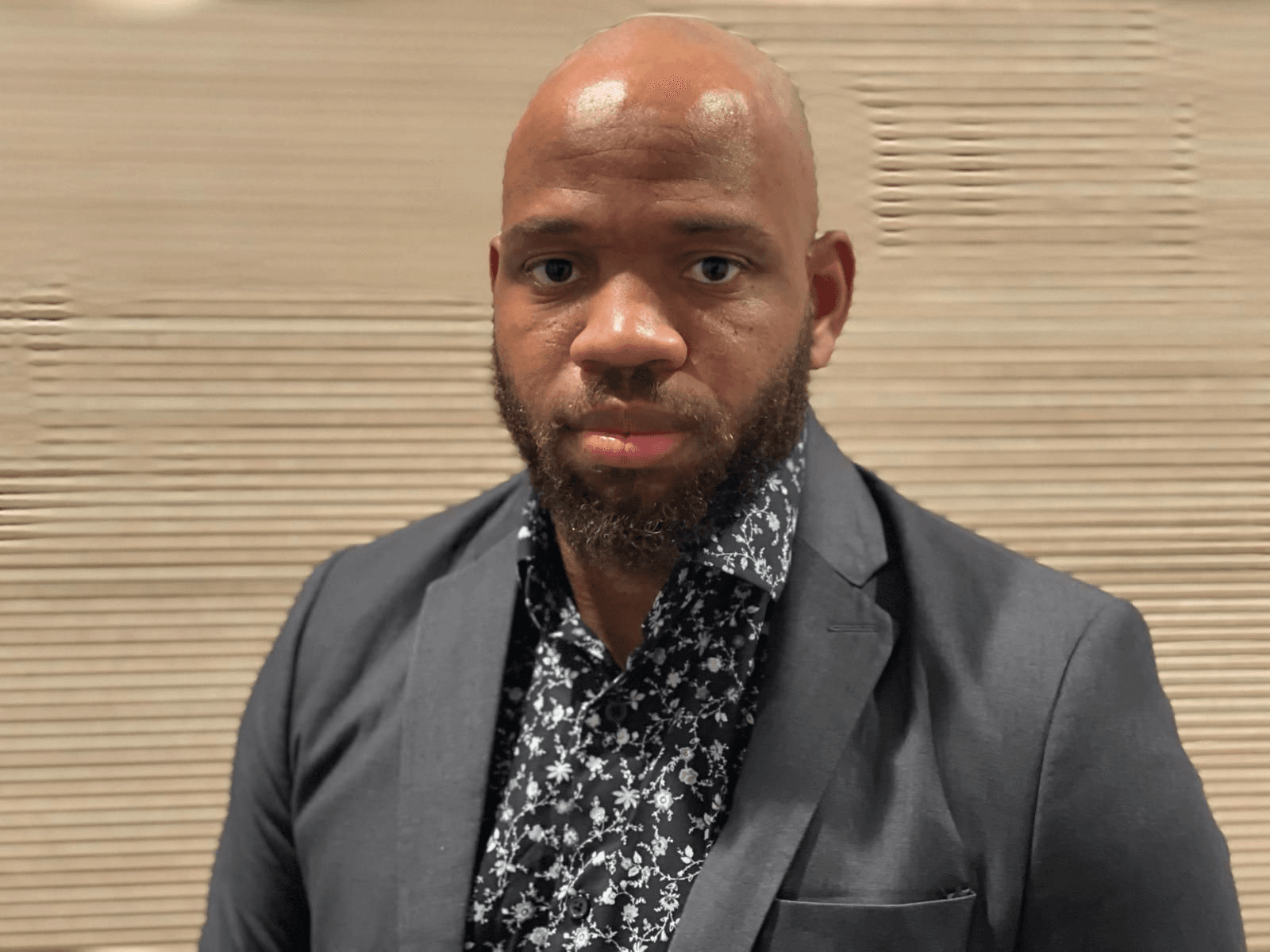
By Chukwudum “Chumze” Chukwudebelu
Founder/CEO, TheChumEffect Creator of the BAAB Framework


Introduction
The advice was solid.
The reasoning made sense.
The steps were clear.
Nothing felt reckless.
And then the consequences arrived.
When theory meets pressure
On paper, the plan worked.
The tradeoffs were explained.
The risks were acknowledged.
The logic held together.
But living with the outcome felt different than imagining it.
Not because the advice was wrong —
but because it didn’t carry the weight of what followed.
The failure mode people don’t name
The problem isn’t bad guidance.
It’s consequence collapse.
Treating advice as neutral.
Ignoring who bears the cost.
Assuming outcomes affect everyone the same way.
They don’t.
Why consequences change everything
Consequences aren’t abstract.
They’re lived.
They arrive with pressure.
They reshape priorities in real time.
Responsibility changes how decisions feel.
This isn’t emotion overriding logic.
It’s reality asserting itself.
How AI flattens consequence
AI doesn’t experience outcomes.
It doesn’t carry responsibility.
It doesn’t absorb loss.
It doesn’t feel pressure when things go wrong.
So it presents options as if the cost is evenly distributed.
It isn’t.
Hiring for a role like this right now? One call is usually enough for us to tell you whether we can fill it.
Book a CallWhere judgment actually breaks
Judgment breaks when advice is followed without ownership.
When pressure changes incentives.
When the downside lands on one side only.
When theory didn’t account for who would live with the result.
The advice didn’t fail.
The transfer of responsibility did.
Why smart people miss this
Because advice feels objective.
Logic feels fair.
Distance feels clarity.
So when advice sounds neutral, it earns trust — even though the cost will never be neutral.
The mismatch isn’t obvious until after the fact.
A question worth noticing
Who carried the downside when this went wrong?
And was that visible when the advice felt clean?
That question doesn’t reject guidance.
It reveals where guidance stops working.
A quiet next step
If the advice felt reasonable but the outcome felt heavy, it may be worth noticing where the cost entered the picture.
I work with people who want help examining decisions before consequences redistribute the weight, not after reality has already applied it.
Frequently Asked Questions

Why does AI advice fail in real life?
Because real life introduces pressure, responsibility, and unequal consequences that advice alone cannot fully anticipate.
Does AI understand consequences?
AI can describe consequences conceptually, but it does not experience responsibility or lived impact.
Who is responsible for AI-driven decisions?
Responsibility remains with the person who acts on the advice, not the system that generated it.
Can advice ignore real-world impact?
Yes. Advice can remain logically sound while failing to account for who bears the cost of its outcomes.
Why does theory break down under pressure?
Because pressure reshapes incentives, priorities, and tolerance for loss in ways theory cannot simulate.
Hiring right now? Let's talk.
Book a 20-minute call with The Chum Effect. Bring the role you are struggling to fill and we will tell you honestly whether we can help, including when we are not the right fit.
Related articles
The Everyday Thinking Partner Rule
A simple rule for using AI without losing your judgment: let it clarify your thinking, not decide for you. Clearer mind. Same responsibility.
Why Smart People Are Making Worse Decisions With AI
AI doesn’t make decisions reckless—it makes them feel complete too soon. This article examines why intelligent thinkers are especially vulnerable.
The New Job the AI Boom Just Created
AI isn’t just replacing jobs — it’s creating a new one. Companies still need experienced professionals to train and guide AI systems. This is the rise of the Domain Judgment Provider.
AI Is Not a Tool Upgrade. It’s an Organizational Maturity Test
AI is more than just an upgrade—it's a crucial organizational maturity test. This article explores how AI can amplify decision velocity and the risks of scaling it before ensuring your organization’s structural readiness. Learn why understanding your internal processes is key to successful AI integration.
Why Early Decisions Require Friction, Not Speed
Moving fast feels productive, but early decisions shape everything that follows. This piece explains why slowing down creates better outcomes.
Why Trust Is the Only Real Hiring Asset
Interviews, data, and tools can look perfect on paper. This piece explains why trust is what actually holds hiring systems together.


