


The Difference Between Reversible and Irreversible Decisions (And Why AI Doesn’t Care)
February 5, 2026 • 2 mins read
Quick Answer
A reversible decision is a test you can exit with limited cost. An irreversible decision locks timing, cost, or exposure. The danger is treating a one-way decision like an experiment — because learning arrives after commitment, when reversal is expensive or impossible.
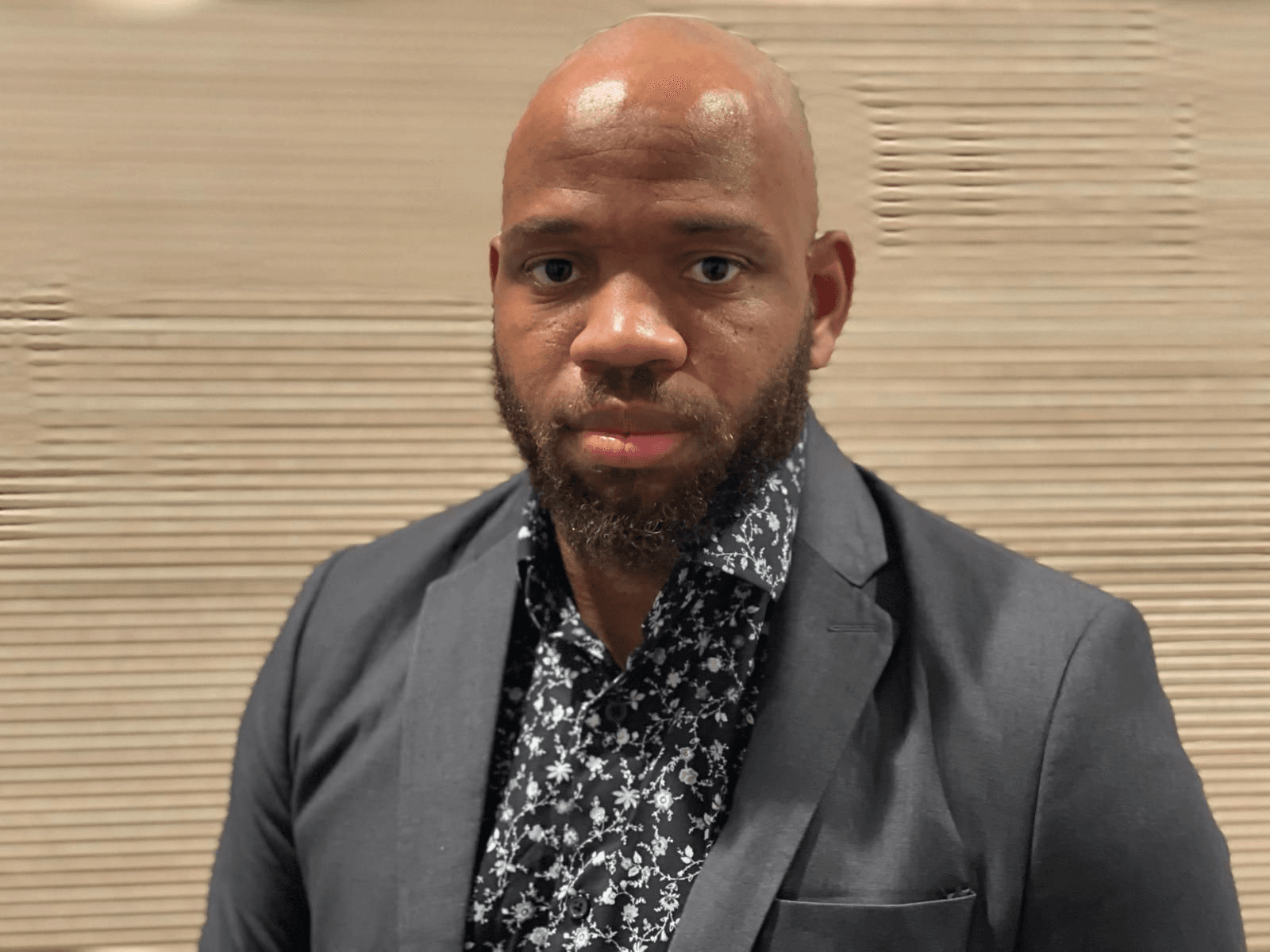
By Chukwudum “Chumze” Chukwudebelu
Founder/CEO, TheChumEffect Creator of the BAAB Framework


Introduction
Two decisions can look the same.
They can use the same logic.
They can follow the same process.
They can feel equally reasonable.
Only later does it become clear that one could be undone — and the other couldn’t.
When similar decisions carry different risk
In the moment, decisions rarely announce their nature.
They don’t label themselves as temporary or permanent.
They don’t signal which ones allow correction.
They don’t warn you which ones lock timing, cost, or exposure.
They just look like choices.
That’s why people treat them the same.
The distinction that quietly matters most
Some decisions are reversible.
They can be tested.
Adjusted.
Exited with limited cost.
Other decisions are irreversible.
They lock you in.
They close windows.
They make reversal expensive or impossible.
The risk isn’t in what you choose.
It’s in whether you can undo it.
Why people naturally miss this
Because reversibility isn’t visible upfront.
Consequences arrive later.
Costs compound quietly.
The line between testing and committing is thin.
In the moment, everything feels provisional.
This isn’t carelessness.
It’s perceptual compression — treating different kinds of risk as equal because they feel similar at the start.
Why AI treats them the same
AI evaluates reasoning.
It compares options.
It weighs tradeoffs.
It produces coherent conclusions.
What it doesn’t do is privilege recoverability.
It doesn’t feel timing pressure.
It doesn’t experience lock-in.
It doesn’t carry the cost of reversal.
So a one-way decision and a test decision can look equally acceptable — as long as the logic holds.
Hiring for a role like this right now? One call is usually enough for us to tell you whether we can fill it.
Book a CallWhere the cost multiplies
The real damage appears when irreversible decisions are treated like experiments.
When iteration is assumed but unavailable.
When correction becomes damage control.
When learning arrives after commitment.
The problem isn’t choosing wrong.
It’s choosing something you can’t walk back.
Why smart people fall into this
Because experimentation is rewarded.
Iteration feels modern.
Testing feels responsible.
Moving forward feels intelligent.
Smart people act because experimentation usually works — until the decision isn’t reversible.
By the time that’s clear, it’s too late to treat it like a test.
A question worth noticing
Which decisions in your life were actually one-way?
And did you recognize that before you treated them like experiments?
That question doesn’t reject action.
It clarifies when action quietly becomes commitment.
A quiet next step
If a decision felt like a test but behaved like a commitment, it may be worth noticing where reversibility quietly disappeared.
I work with people who want help examining decisions before experiments turn into one-way doors, not after the door has already closed.
Frequently Asked Questions

What is an irreversible decision?
An irreversible decision is one that locks timing, cost, or exposure in a way that cannot be easily undone.
Why does AI ignore reversibility?
AI evaluates logic and coherence, not exit cost, timing pressure, or the lived experience of reversal.
Can AI tell if a decision is one-way?
AI can describe the concept, but it does not inherently distinguish between reversible and irreversible risk.
Why are irreversible decisions more dangerous?
Because mistakes cannot be easily corrected, and learning often arrives after commitment.
How do people misjudge reversibility?
By assuming decisions can be adjusted later without recognizing when timing or cost removes that option.
Hiring right now? Let's talk.
Book a 20-minute call with The Chum Effect. Bring the role you are struggling to fill and we will tell you honestly whether we can help, including when we are not the right fit.
Related articles
The Everyday Thinking Partner Rule
A simple rule for using AI without losing your judgment: let it clarify your thinking, not decide for you. Clearer mind. Same responsibility.
Why Smart People Are Making Worse Decisions With AI
AI doesn’t make decisions reckless—it makes them feel complete too soon. This article examines why intelligent thinkers are especially vulnerable.
The New Job the AI Boom Just Created
AI isn’t just replacing jobs — it’s creating a new one. Companies still need experienced professionals to train and guide AI systems. This is the rise of the Domain Judgment Provider.
AI Is Not a Tool Upgrade. It’s an Organizational Maturity Test
AI is more than just an upgrade—it's a crucial organizational maturity test. This article explores how AI can amplify decision velocity and the risks of scaling it before ensuring your organization’s structural readiness. Learn why understanding your internal processes is key to successful AI integration.
Why Early Decisions Require Friction, Not Speed
Moving fast feels productive, but early decisions shape everything that follows. This piece explains why slowing down creates better outcomes.
Why Trust Is the Only Real Hiring Asset
Interviews, data, and tools can look perfect on paper. This piece explains why trust is what actually holds hiring systems together.


