


The Danger of Asking AI “What Should I Do?”
February 5, 2026 • 2 mins read
Quick Answer
Asking AI “What should I do?” is risky because it requests direction, not reflection. That phrasing shifts authority toward the system, and the confidence of the reply can replace your judgment before you notice. Use AI as a mirror: bring your reasoning, options, and constraints — and ask it to challenge your thinking, not choose for you.
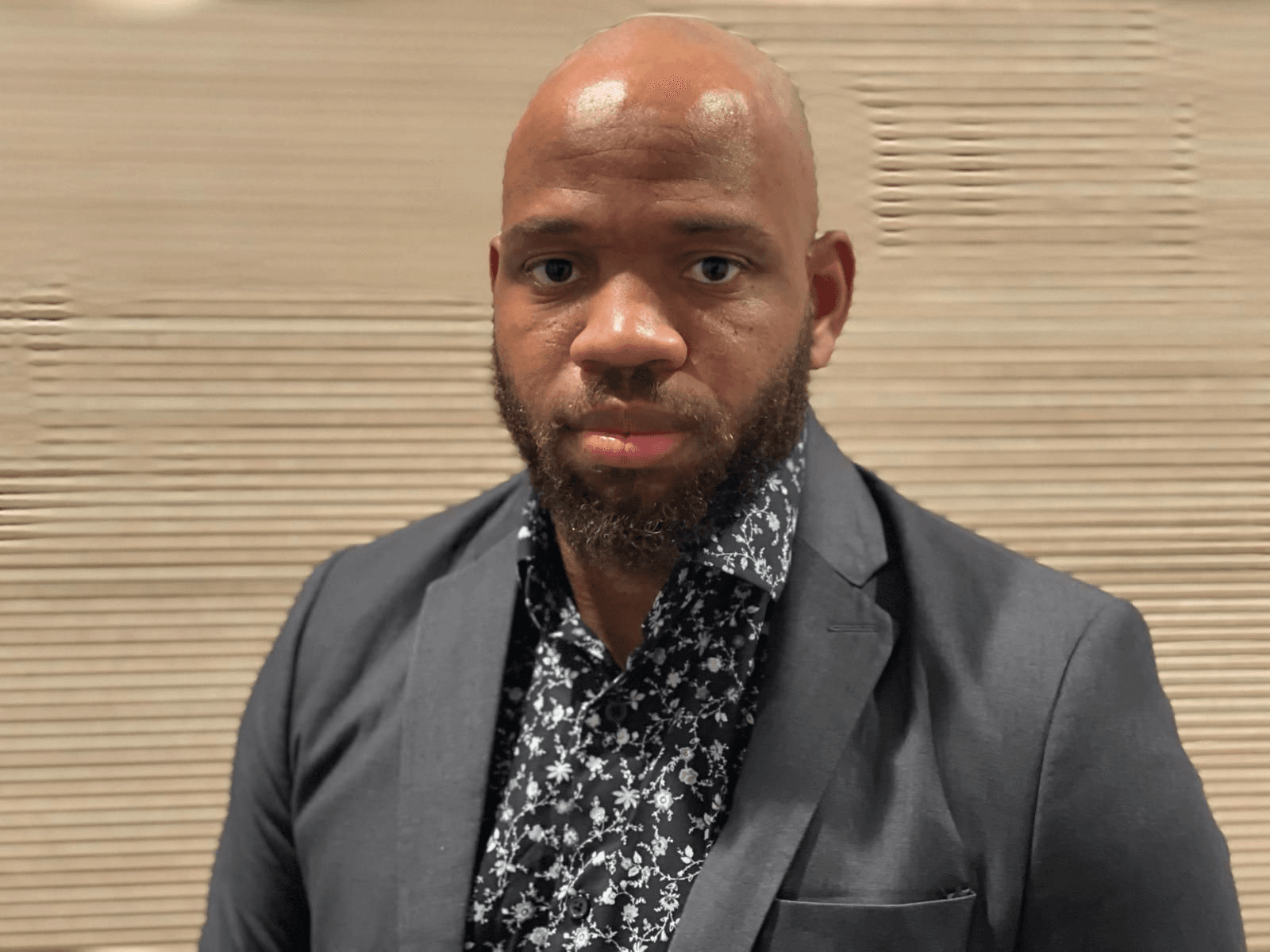
By Chukwudum “Chumze” Chukwudebelu
Founder/CEO, TheChumEffect Creator of the BAAB Framework


Introduction
It’s one of the most common questions people ask AI.
It sounds practical.
It sounds responsible.
It sounds like good decision-making.
“What should I do?”
Nothing about the question feels risky.
That’s what makes it powerful.
When the question feels like clarity
Most people don’t ask this question to avoid responsibility.
They ask it because the situation feels heavy.
There are tradeoffs.
There are unknowns.
There’s pressure to act.
Asking “what should I do?” feels like gathering input — not handing anything over.
At least, that’s how it feels.
The failure mode hiding inside the question
The moment you ask “what should I do?”, something subtle happens.
Authority shifts.
The question doesn’t ask for perspective or exploration.
It asks for direction.
Advice begins to sound like instruction.
And once instruction appears, judgment quietly steps back.
Why this happens to smart people
Responsibility carries emotional weight.
Choosing means owning outcomes.
Owning outcomes means risk.
Asking for direction feels relieving — especially under uncertainty.
This isn’t avoidance.
It’s how humans manage pressure.
How AI quietly amplifies the shift
AI answers decisively.
It doesn’t hesitate.
It doesn’t feel risk.
It doesn’t carry consequence.
So when it responds, the language feels confident and complete.
The recommendation feels clean — because nothing is at stake for it.
That confidence can quietly replace your own.
Hiring for a role like this right now? One call is usually enough for us to tell you whether we can fill it.
Book a CallThe moment judgment leaves the room
Judgment doesn’t disappear all at once.
It fades when execution begins without re-evaluation.
When the advice feels clear enough to act on immediately.
When ownership feels shared — or blurred.
You still feel involved.
But responsibility has already shifted.
Why this feels reasonable
Leaders ask for advice.
Experts consult others.
Delegation is considered mature behavior.
Asking “what should I do?” looks like prudence.
That’s why it works.
The danger hides inside something socially reinforced and emotionally relieving.
A question worth noticing
When you acted on the advice —
who did it feel like made the decision?
That question doesn’t accuse.
It clarifies where authority actually sat.
A quiet next step
If asking “what should I do?” has felt relieving, it may be worth noticing where responsibility shifted — and whether you meant for it to.
I work with people who want help examining decisions before authority quietly transfers, not after consequences arrive.
Frequently Asked Questions

Is it bad to ask AI what I should do?
Asking for advice isn’t inherently bad. The risk appears when the question shifts responsibility without the person realizing it.
Can AI tell me what to do?
AI can offer recommendations, but it does not experience consequences. Direction given without personal stakes can feel decisive without being accountable.
Does asking AI for advice reduce judgment?
It can. Especially when advice feels complete and action follows immediately, reflection and ownership may quietly diminish.
Who is responsible for AI-guided decisions?
The person acting on the advice remains responsible, even when the direction felt external.
Is AI advice reliable?
AI advice can be coherent and useful, but reliability depends on context, stakes, and assumptions — none of which AI personally experiences.
Hiring right now? Let's talk.
Book a 20-minute call with The Chum Effect. Bring the role you are struggling to fill and we will tell you honestly whether we can help, including when we are not the right fit.
Related articles
The Everyday Thinking Partner Rule
A simple rule for using AI without losing your judgment: let it clarify your thinking, not decide for you. Clearer mind. Same responsibility.
Why Smart People Are Making Worse Decisions With AI
AI doesn’t make decisions reckless—it makes them feel complete too soon. This article examines why intelligent thinkers are especially vulnerable.
The New Job the AI Boom Just Created
AI isn’t just replacing jobs — it’s creating a new one. Companies still need experienced professionals to train and guide AI systems. This is the rise of the Domain Judgment Provider.
AI Is Not a Tool Upgrade. It’s an Organizational Maturity Test
AI is more than just an upgrade—it's a crucial organizational maturity test. This article explores how AI can amplify decision velocity and the risks of scaling it before ensuring your organization’s structural readiness. Learn why understanding your internal processes is key to successful AI integration.
Why Early Decisions Require Friction, Not Speed
Moving fast feels productive, but early decisions shape everything that follows. This piece explains why slowing down creates better outcomes.
Why Trust Is the Only Real Hiring Asset
Interviews, data, and tools can look perfect on paper. This piece explains why trust is what actually holds hiring systems together.


