


AI as a Second Brain, Not an Authority
February 3, 2026 • 3 mins read
Quick Answer
AI works best as a second brain when it reflects your reasoning, surfaces assumptions, and helps you think more clearly—without deciding for you. If AI creates relief instead of grounded clarity, you may be treating it like an authority. Use it to challenge your logic, not to replace your responsibility.
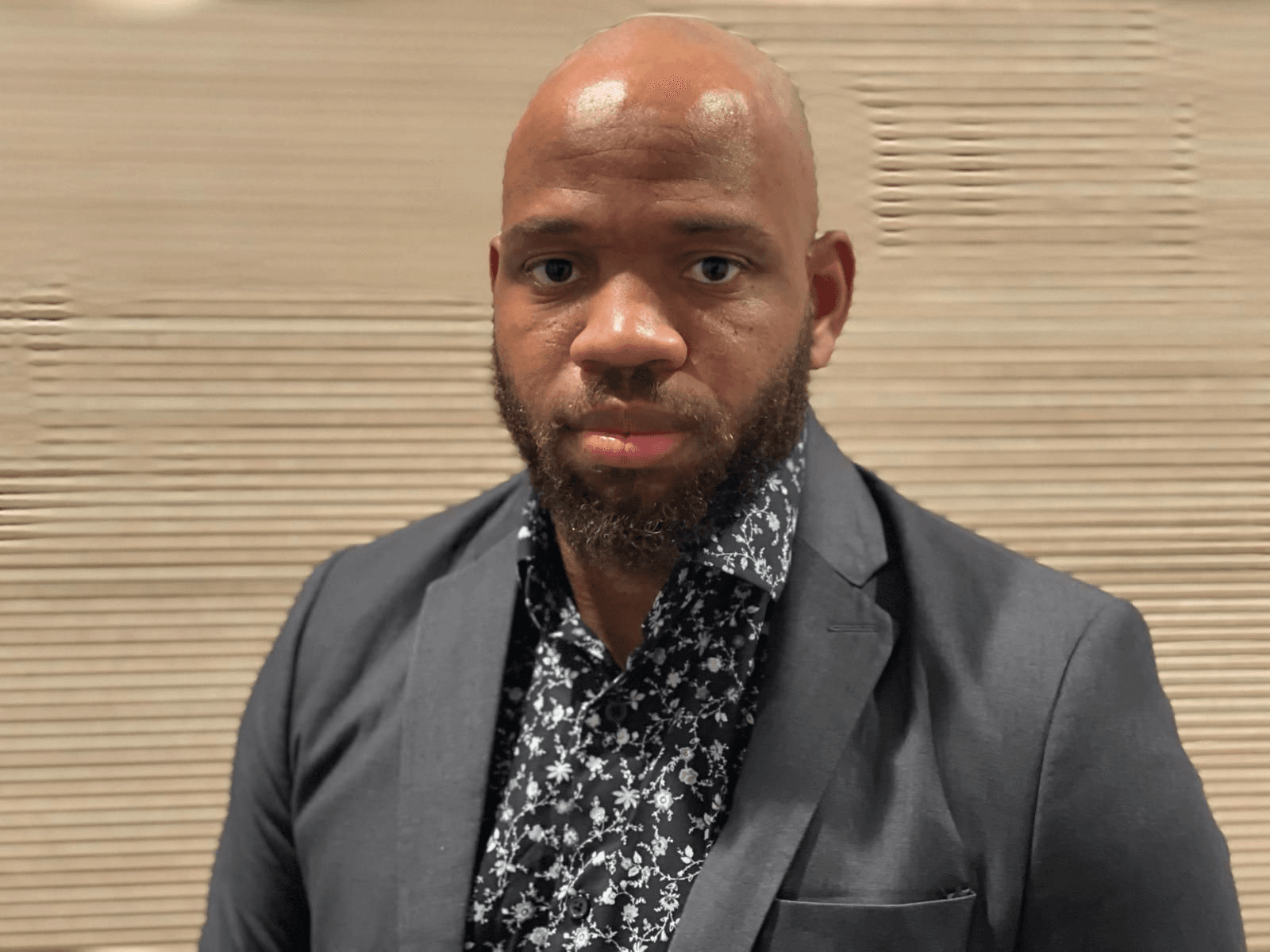
By Chukwudum “Chumze” Chukwudebelu
Founder/CEO, TheChumEffect Creator of the BAAB Framework


AI as a Second Brain, Not an Authority
There’s a small moment people don’t notice when it happens.
A thought slips in quietly:
“What does AI think I should do?”
It doesn’t feel reckless. It feels reasonable. Even responsible. You’re not avoiding the decision — you’re just
“getting input.”
But that moment matters more than it seems.
Why This Feels Helpful at First
When decisions carry weight, responsibility feels heavy.
AI offers something that feels stabilizing:
- clear language
- structured reasoning
- confident tone
- emotional distance
For someone already under pressure, that combination can feel like relief.
Not relief from confusion —
relief from holding the decision alone.
That’s why this shift happens so easily. It’s not laziness. It’s overload.
The Real Risk: Authority Drift
Most people worry about AI giving bad advice.
That’s not the primary risk.
The real risk is authority drift — when AI slowly moves from a thinking aid to the place decisions come from.
It doesn’t happen all at once. It happens in small steps:
asking for confirmation instead of reflectionaccepting conclusions without frictiontrusting confident explanations over personal judgmentfeeling reassured because “the system agrees”
Nothing breaks immediately. But something important erodes.
Why the Brain Wants an Authority Under Uncertainty
When outcomes are uncertain, the brain seeks certainty — not accuracy.
An authority collapses ambiguity. It quiets doubt. It reduces the emotional load of choosing.
That’s why people lean on:
- experts
- systems
- models
- institutions
AI fits easily into that role because it speaks clearly and doesn’t hesitate.
But confidence is not judgment.
And certainty is not wisdom.
What a Second Brain Actually Is
A second brain does not decide.
It stores, organizes, and reflects.
Used correctly, AI functions like:
- an external notebook
- a place to slow thinking down
- a mirror for reasoning
- a way to surface assumptions
It holds your thinking so you can examine it.
An authority tells you what to do.
A second brain helps you understand why you’re thinking what you’re thinking.
Those roles are not interchangeable.
Signs You’re Treating AI Like an Authority
You’re drifting into authority territory if:
- you ask AI what you should do
- you feel relieved instead of clearer after it responds
- you follow suggestions without resistance
- you struggle to explain the decision without referencing AI
That relief is the warning sign.
Clarity feels grounded.
Authority feels comforting.
Hiring for a role like this right now? One call is usually enough for us to tell you whether we can fill it.
Book a CallHow to Reclaim Ownership Without Abandoning AI
The correction isn’t to stop using AI.
It’s to change how you engage with it.
Instead of handing over the decision, you bring your reasoning forward.
You don’t ask for answers.
You offer your logic and invite it to be challenged.
That keeps responsibility exactly where it belongs — with you.
When AI Must Never Be the Authority
AI should never be the deciding voice when:
- your identity is involved
- moral responsibility is at stake
- relationships are affected
- consequences are long-term or irreversible
In those moments, clarity matters more than speed — and ownership matters more than confidence.
The Rule
If AI feels like it’s deciding for you, you’ve already given up something important.
Use it to think better — not to decide faster.
Final Thought
AI can help you organize your thinking.
It cannot carry your responsibility.
The moment you forget that, the tool stops helping —
and quietly starts replacing something it never should.
Frequently Asked Questions

Isn’t AI more objective than humans?
AI reflects patterns, not accountability. Objectivity without responsibility isn’t judgment.
What if AI’s reasoning sounds better than mine?
That’s a signal to examine your thinking — not surrender it.
Can AI ever make decisions for me?
Only trivial ones. Anything meaningful should remain yours.
What if I trust AI more than myself?
That’s not a technology problem. It’s a clarity and confidence problem.
How do I know I’ve crossed the line?
If you feel relief instead of clarity, pause.
Hiring right now? Let's talk.
Book a 20-minute call with The Chum Effect. Bring the role you are struggling to fill and we will tell you honestly whether we can help, including when we are not the right fit.
Related articles
The Everyday Thinking Partner Rule
A simple rule for using AI without losing your judgment: let it clarify your thinking, not decide for you. Clearer mind. Same responsibility.
Why Smart People Are Making Worse Decisions With AI
AI doesn’t make decisions reckless—it makes them feel complete too soon. This article examines why intelligent thinkers are especially vulnerable.
The New Job the AI Boom Just Created
AI isn’t just replacing jobs — it’s creating a new one. Companies still need experienced professionals to train and guide AI systems. This is the rise of the Domain Judgment Provider.
AI Is Not a Tool Upgrade. It’s an Organizational Maturity Test
AI is more than just an upgrade—it's a crucial organizational maturity test. This article explores how AI can amplify decision velocity and the risks of scaling it before ensuring your organization’s structural readiness. Learn why understanding your internal processes is key to successful AI integration.
Why Early Decisions Require Friction, Not Speed
Moving fast feels productive, but early decisions shape everything that follows. This piece explains why slowing down creates better outcomes.
Why Businesses Don’t Survive the Jump to Scale


