


Why Trust Breaks Quietly in Hiring
February 6, 2026 • 2 mins read
Quick Answer
Trust breaks quietly in hiring when misalignment, vague expectations, and unspoken concerns accumulate before work ever begins.
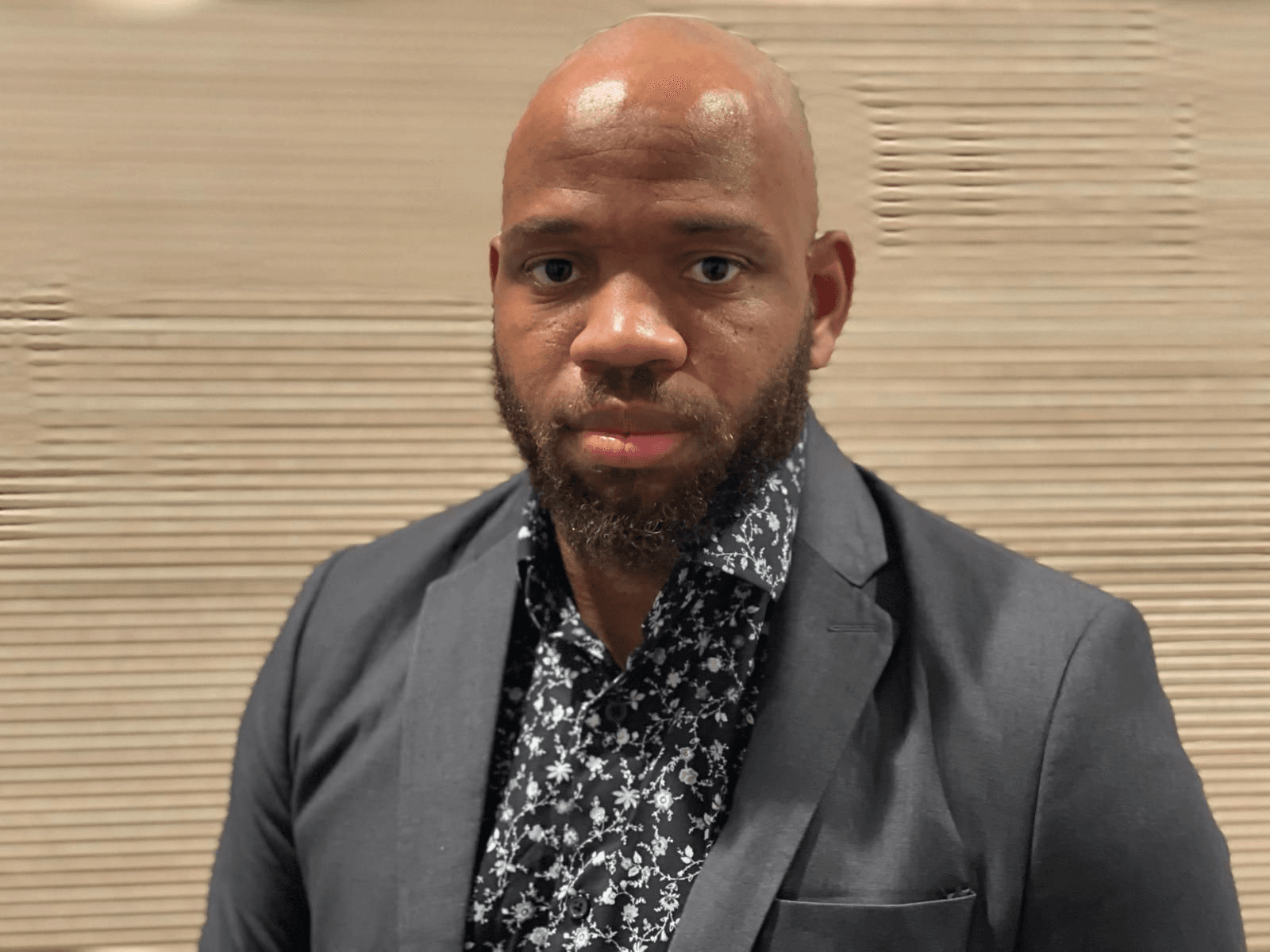
By Chukwudum “Chumze” Chukwudebelu
Founder/CEO, TheChumEffect Creator of the BAAB Framework


Introduction
Nothing broke.
There wasn’t a blow-up.
No obvious mistake.
No single moment you could point to.
Things just… stopped working.
Why Hiring Feels Trust-Neutral at First
Early hiring interactions are designed to feel smooth.
Everyone is polite.
Everyone is optimistic.
Everyone wants alignment.
Resumes look aligned.
Interviews sound promising.
Verbal agreements feel mutual.
On the surface, trust seems intact.
But most early hiring conversations are optimized for momentum, not truth.
The Broken Assumption
Many teams assume this:
Trust breaks because of one big failure.
In reality, trust rarely collapses all at once.
It erodes.
Quietly.
Incrementally.
Through small inconsistencies that go unspoken.
By the time anyone names the issue, trust is already gone.
How Trust Actually Erodes During Hiring
Trust starts leaking long before work begins.
Common points of erosion include:
- role scope subtly shifting between conversations
- expectations left vague to “keep things moving”delayed or unclear feedback
- incentives that don’t quite align
- reservations that stay unspoken
None of these feel serious in isolation.
Together, they create doubt.
Why Politeness Can Accelerate Breakdown
Politeness often replaces honesty in hiring.
Hard questions get softened.
Concerns get postponed.
Misalignment gets reframed as flexibility.
Phrases like:
- “We’ll figure it out later”
- “Let’s see how it goes”
- “It’ll probably work itself out”
…feel cooperative in the moment.
But comfort today often becomes friction tomorrow.
Avoiding clarity doesn’t preserve trust.
It delays the moment trust is tested.
Hiring for a role like this right now? One call is usually enough for us to tell you whether we can fill it.
Book a CallEarly Signals That Predict Trust Failure
Trust issues usually announce themselves — quietly.
Signals include:
- defensiveness instead of curiosity
- over-promising to avoid discomfort
- reluctance to discuss constraint
- sunclear ownership of outcomes
- discomfort with specificity
These aren’t deal-breakers by themselves.
They’re warnings when ignored.
The Cost of Quiet Trust Erosion
When trust erodes silently, the damage spreads invisibly:
- engagement drops without explanation
- communication becomes guarded
- intent gets misread
- emotional withdrawal replaces collaboration
- reversals become more expensive
By the time trust is “broken,” it’s already been gone for a while.
What remains is confusion about how things ended up there.
What to Do If This Feels Familiar
Trust isn’t built on optimism.
It’s built on clarity.
Naming misalignment early doesn’t kill momentum.
It protects it.
Specific expectations.
Clear constraints.
Honest tradeoffs.
These preserve trust far better than smooth conversations ever will.
Frequently Asked Questions

Can trust really break before work starts?
Yes. Misalignment during hiring sets the tone for everything that follows
Isn’t optimism necessary in hiring?
Optimism without clarity creates fragile trust.
How do you surface concerns without killing momentum?
By framing them as alignment checks, not objections.
What if misalignment appears after hiring?
Address it immediately. Delay compounds damage.
Can trust be rebuilt once it erodes?
Sometimes — but it’s far easier to preserve than to repair. Trust rarely breaks loudly. It fades through silence, assumptions, and avoided conversations. Clarity doesn’t slow hiring down. It keeps trust intact.
Hiring right now? Let's talk.
Book a 20-minute call with The Chum Effect. Bring the role you are struggling to fill and we will tell you honestly whether we can help, including when we are not the right fit.
Related articles
Why Trust Is the Only Real Hiring Asset
Interviews, data, and tools can look perfect on paper. This piece explains why trust is what actually holds hiring systems together.
How Much Do Staffing Agencies Charge? A Breakdown for Employers
Direct hire fees, contract markups and conversion fees explained, with the questions that change what you actually pay and the arithmetic for deciding which model is cheaper at your hiring volume.
Warehouse and Light Industrial Staffing Costs
What warehouse, production and light industrial labour actually costs per hour, why workers' compensation drives the markup, and how to control turnover cost.
Best Tech Staffing Agencies in Austin (2026): How to Choose
How to buy technology staffing in Austin: which firms fit volume contract hiring versus senior engineering searches, what Austin's tech labour market does to your timelines, and what to verify first.
Best Staffing Agencies in Austin, TX (2026): An Employer's Guide
How Austin's staffing market is actually structured, which firms fit which hiring problem, and what Austin's specific labour conditions mean for how you should be buying.
The Everyday Thinking Partner Rule
A simple rule for using AI without losing your judgment: let it clarify your thinking, not decide for you. Clearer mind. Same responsibility.


