


Why Interviews Don’t Reveal Real Ability
September 20, 2026 • 3 mins read
Quick Answer
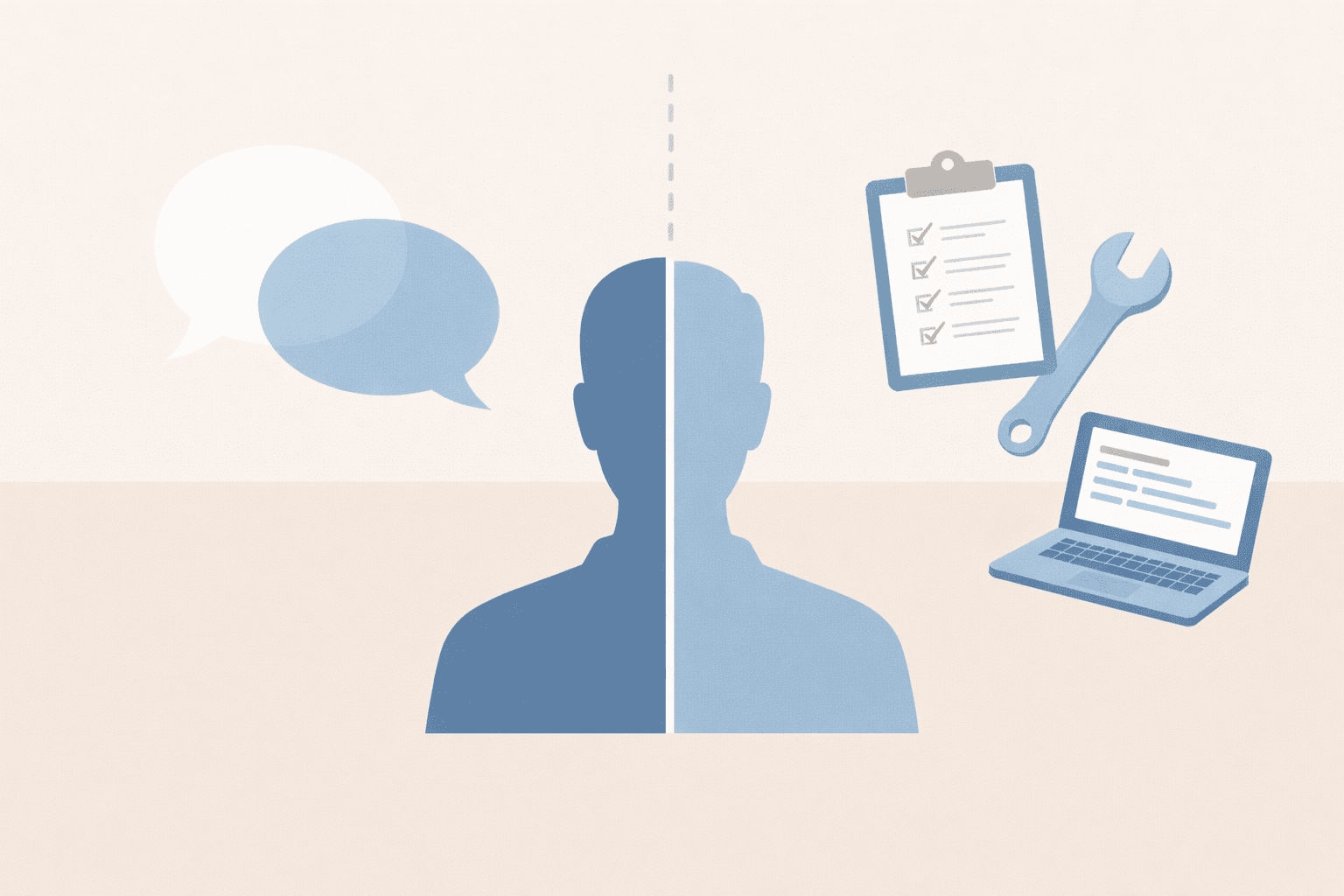
Interviews measure how well someone explains their ability. Work measures whether they have it. That gap is why confident interviews still produce disappointing hires. The fix is not more interviews, it is evaluation that watches someone reason or work through something real.
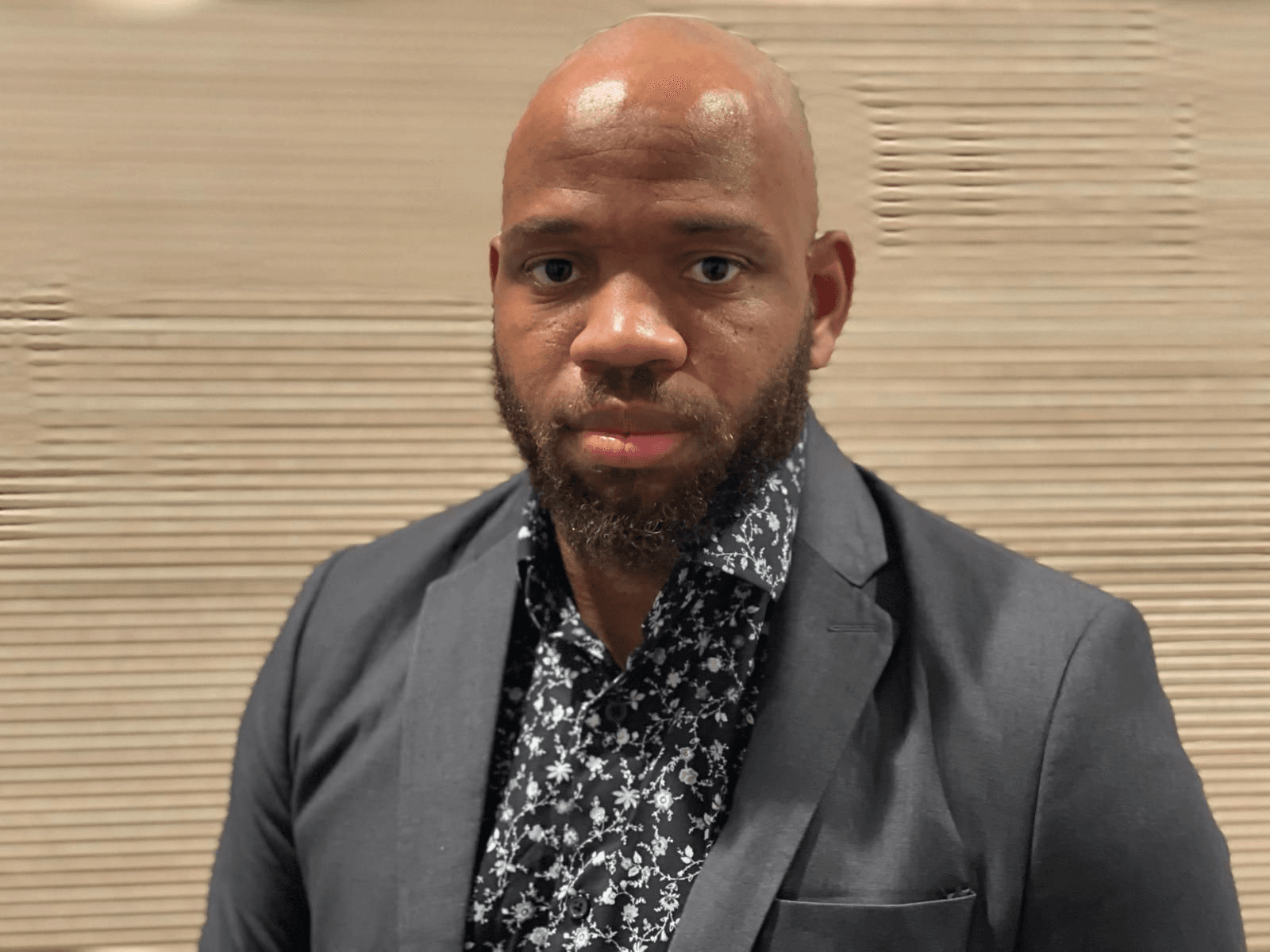
By Chukwudum “Chumze” Chukwudebelu
Founder/CEO, TheChumEffect Creator of the BAAB Framework

Introduction
The interview went great.
Clear answers.
Strong confidence.
Good energy in the room.
Everyone walked away thinking the same thing:
“They’re going to be really goo
Why Interviews Feel Like the Right Test
Interviews feel like evaluation because they’re human.
You get to ask questions.
You hear explanations.
You observe confidence, clarity, and communication.
Compared to resumes, interviews feel more real. More personal. More decisive.
They give decision-makers the feeling of judgment.
The Broken Assumption
Most hiring decisions rely on a quiet belief:
If someone interviews well, they’ll perform well.
But interviews measure how well someone talks about work — not how well they do it.
Being articulate is not the same as being effective.
Being confident in explanation is not the same as making good decisions under pressure.
Interviews reward recall and fluency, not execution.
Why Interviews Feel Predictive
Interviews are persuasive because they activate human bias.
We trust:
- people who sound confident
- people who explain clearly
- people who feel familiar
- people who tell coherent stories
Interviews also favor preparation.
Strong candidates rehearse narratives.
They learn interview language.
They know what signals interviewers expect.
None of that guarantees performance once ambiguity and constraints appear.
What Interviews Actually Measure
In practice, interviews mostly measure:
- communication style
- storytelling ability
- confidence under observation
- familiarity with interview norms
They rarely reveal:
- how someone reasons in motion
- how they handle incomplete information
- how they adapt when plans break
- how they perform when there’s no audience
Interviews are controlled environments.
Real work is not.
Hiring for a role like this right now? One call is usually enough for us to tell you whether we can fill it.
Book a CallWhat Predicts Performance Better Than Interviews
Performance shows up when people are forced to think, decide, and act — not explain.
Better signals include:
- demonstrated work
- reasoning through real problems
- handling ambiguity in real time
- responding to feedback
- executing within actual constraints
This is why, at TCE, interviews are never treated as standalone signals.
We pair AI-recorded interviews with live human interviewers to capture how candidates think as they reason — not just how they answer.
The AI preserves the reasoning trail: how decisions are explained, revised, and defended.
The human interviewer evaluates judgment, nuance, and context.
The point isn’t automation.
It’s seeing ability before performance is assumed.
The Cost of Over-Trusting Interviews
When interviews carry too much weight, the costs show up quietly:
- charismatic underperformers
- overlooked high performers
- teams slowed by rework
- frustration from unmet expectations
- repeated hiring cycles
Interview confidence fades quickly once delivery matters.
What to Do If This Feels Familiar
If interviews keep producing candidates who sound strong but struggle in execution, the issue isn’t effort.
It’s signal design.
We help teams surface real ability earlier — before interviews become performance theater and before payroll makes mistakes expensive.
Sometimes all it takes is pressure-testing how judgment is being evaluated.
Frequently Asked Questions

Are interviews useless?
No. They’re just incomplete on their own.
What about behavioral interviews?
They still rely on storytelling, not real-time decision-making.
How do you assess ability without interviews?
You don’t remove interviews — you surround them with stronger signals.
Doesn’t this slow hiring down?
It slows false confidence. It speeds real outcomes.
Does this apply to senior roles?
Even more so. Senior roles amplify the cost of misjudgment. Interviews show how people talk about work. Hiring is about how they do the work. Confusing the two is why interviews keep missing real ability.
Hiring right now? Let's talk.
Book a 20-minute call with The Chum Effect. Bring the role you are struggling to fill and we will tell you honestly whether we can help, including when we are not the right fit.
Related articles
Why Trust Is the Only Real Hiring Asset
Interviews, data, and tools can look perfect on paper. This piece explains why trust is what actually holds hiring systems together.
How Much Do Staffing Agencies Charge? A Breakdown for Employers
Direct hire fees, contract markups and conversion fees explained, with the questions that change what you actually pay and the arithmetic for deciding which model is cheaper at your hiring volume.
Warehouse and Light Industrial Staffing Costs
What warehouse, production and light industrial labour actually costs per hour, why workers' compensation drives the markup, and how to control turnover cost.
Best Tech Staffing Agencies in Austin (2026): How to Choose
How to buy technology staffing in Austin: which firms fit volume contract hiring versus senior engineering searches, what Austin's tech labour market does to your timelines, and what to verify first.
Best Staffing Agencies in Austin, TX (2026): An Employer's Guide
How Austin's staffing market is actually structured, which firms fit which hiring problem, and what Austin's specific labour conditions mean for how you should be buying.
The Everyday Thinking Partner Rule
A simple rule for using AI without losing your judgment: let it clarify your thinking, not decide for you. Clearer mind. Same responsibility.


