


Why Hiring Without Proof Is Risky
February 7, 2026 • 3 mins read
Quick Answer
Hiring without proof is risky because confidence and explanation are mistaken for capability, allowing execution gaps to surface only after the cost is high.
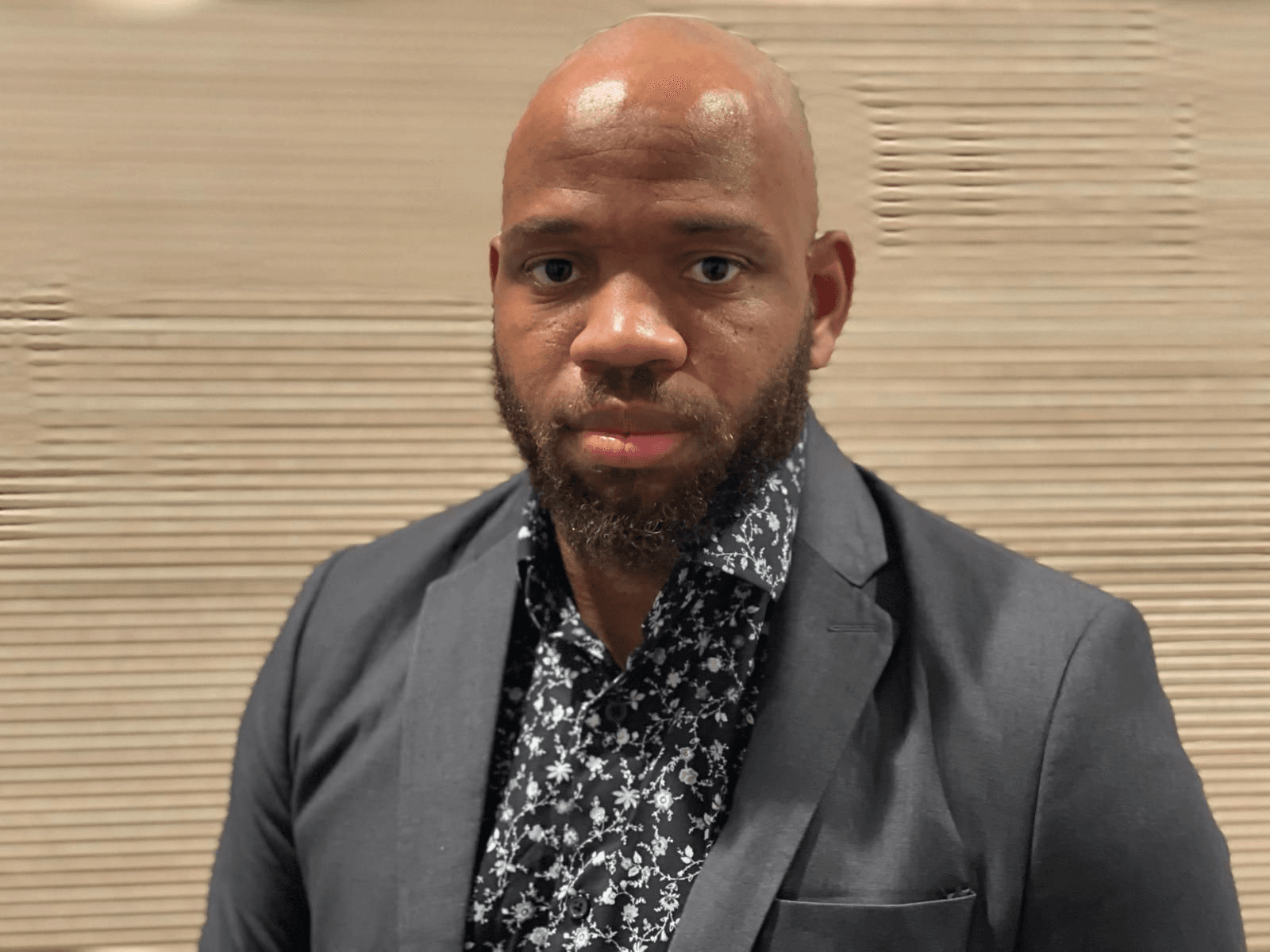
By Chukwudum “Chumze” Chukwudebelu
Founder/CEO, TheChumEffect Creator of the BAAB Framework


Introduction
Everyone agreed this was the right hire.
The interviews went well.
The answers were confident.
The explanations made sense.
It didn’t feel risky at all.
Until months later, when the gaps started showing up — not in conversation, but in execution.
Why Talk Feels Like Evidence
Most hiring decisions lean heavily on conversation because it feels human.
Talking allows for:
- clarification
- back-and-forth
- storytelling
- confidence signaling
Strong communicators create certainty.
They sound like they know what they’re doing.
The problem is that verbal fluency is often mistaken for capability.
The Broken Assumption
Many teams operate under this belief:
If someone explains it well, they can do it well.
Explanation and execution are different skills.
Understanding a problem doesn’t guarantee the ability to solve it under real constraints.
Describing past success doesn’t ensure repeatable performance.
When hiring relies on explanation alone, the decision is made without evidence.
What “No Proof” Looks Like in Practice
Hiring without proof doesn’t mean hiring blindly.
It usually looks reasonable on the surface.
Common patterns include:
- resumes listing responsibilities instead of outcomes
- interviews built on hypotheticals
- confident claims without artifacts
- references that confirm personality, not performance
None of these indicate dishonesty.
They indicate missing signal.
Why This Risk Hides Until It’s Expensive
Proof gaps rarely show up immediately.
Early on:
- onboarding creates structure
- expectations are low
- support fills the gaps
- early wins mask deeper issues
The real test comes later — when pressure increases, ambiguity rises, or independent judgment is required.
By then, the cost of being wrong is no longer small.
Hiring for a role like this right now? One call is usually enough for us to tell you whether we can fill it.
Book a CallWhat Actually Counts as Proof
Proof doesn’t require perfection.
It requires evidence of execution.
Proof can look like:
- completed work under constraints
- decision trails showing reasoning
- examples of tradeoffs made
- outcomes tied to responsibility
What doesn’t count as proof:
- titles alone
- confidence alone
- familiarity alone
- reputation without artifacts
Proof shows how someone thinks when it matters.
How Proof Reduces Risk Without Slowing Hiring
There’s a belief that requiring proof slows hiring down.
In practice, it often speeds it up.
When proof exists:
- fewer candidates move forward
- interviews become confirmation, not discovery
- decisions feel grounded, not hopefulreversals become rarer
Evidence doesn’t eliminate risk — it makes it visible early.
What to Do If This Feels Familiar
If hiring decisions feel like leaps of faith, the issue usually isn’t intuition.
It’s missing evidence.
Before adding more interviews, ask:
- What proof do we actually have?
- What would failure look like here?
- What signal are we trusting most?
Hiring improves when confidence is built on demonstration, not persuasion.
Frequently Asked Questions

What if the role doesn’t produce tangible artifacts?
Most roles produce decisions, tradeoffs, or outcomes that can be examined.
Does this disadvantage junior candidates?
No. Proof can be small, recent, or contextual — not just big wins.
How much proof is enough?
Enough to reduce uncertainty, not eliminate it.
Can proof be faked?
Some signals can be gamed. That’s why multiple forms of evidence matter.
Doesn’t this slow things down?
No. It usually prevents costly reversals later. Hiring without proof doesn’t feel risky at the decision point. It feels risky later — when the evidence finally arrives.
Hiring right now? Let's talk.
Book a 20-minute call with The Chum Effect. Bring the role you are struggling to fill and we will tell you honestly whether we can help, including when we are not the right fit.
Related articles
Why Trust Is the Only Real Hiring Asset
Interviews, data, and tools can look perfect on paper. This piece explains why trust is what actually holds hiring systems together.
How Much Do Staffing Agencies Charge? A Breakdown for Employers
Direct hire fees, contract markups and conversion fees explained, with the questions that change what you actually pay and the arithmetic for deciding which model is cheaper at your hiring volume.
Warehouse and Light Industrial Staffing Costs
What warehouse, production and light industrial labour actually costs per hour, why workers' compensation drives the markup, and how to control turnover cost.
Best Tech Staffing Agencies in Austin (2026): How to Choose
How to buy technology staffing in Austin: which firms fit volume contract hiring versus senior engineering searches, what Austin's tech labour market does to your timelines, and what to verify first.
Best Staffing Agencies in Austin, TX (2026): An Employer's Guide
How Austin's staffing market is actually structured, which firms fit which hiring problem, and what Austin's specific labour conditions mean for how you should be buying.
The Everyday Thinking Partner Rule
A simple rule for using AI without losing your judgment: let it clarify your thinking, not decide for you. Clearer mind. Same responsibility.


