


Why Hiring Is Really a Risk Problem
February 6, 2026 • 3 mins read
Quick Answer
Hiring is a risk problem because most processes delay exposure to real performance, causing operational and opportunity costs to surface only after commitment is high.
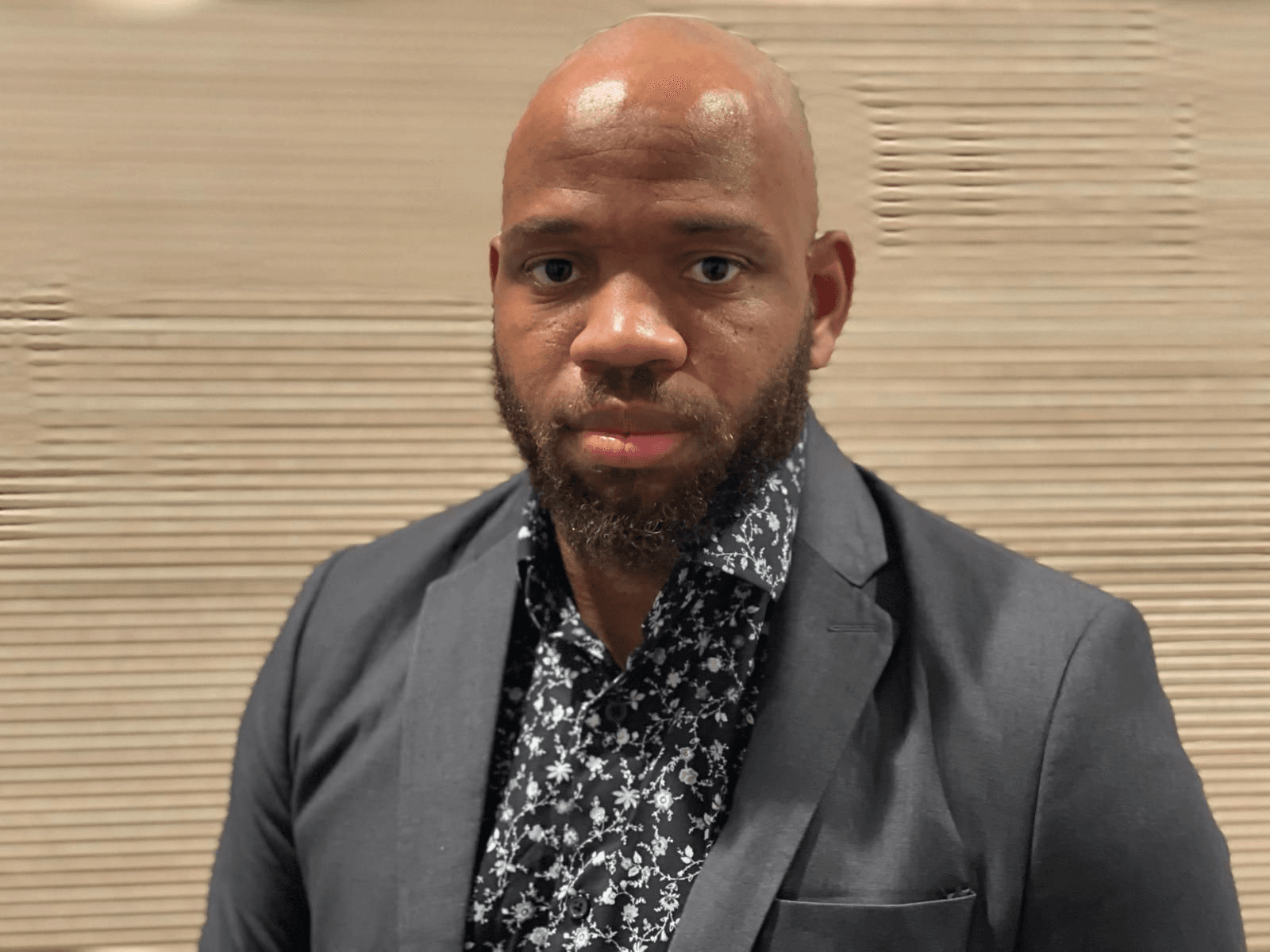
By Chukwudum “Chumze” Chukwudebelu
Founder/CEO, TheChumEffect Creator of the BAAB Framework


Introduction
Hiring is usually described as a talent problem.
When a hire doesn’t work out, teams talk about fit, culture, or recruiting quality. But those explanations miss the deeper issue.
At its core, hiring is a risk problem — not a people problem.
What teams think they’re optimizing for
Most hiring decisions are framed around outcomes:
- finding high-quality candidates
- ensuring good fit
- moving fast enough
- staying within budget
Those goals matter, but they’re not what drives the behavior underneath.
What teams are really trying to manage is risk — even when they don’t call it that.
Where hiring risk actually lives
Hiring risk doesn’t show up on day one.
It appears later, in subtle ways:
- decisions that shouldn’t be escalated but are
- work that moves slower than expected
- managers compensating quietly
- opportunities missed because capacity is thin
The risk isn’t only about who gets hired.
It’s about when the consequences become visible.
Why hiring risk is discovered too late
Hiring decisions often feel safest at the moment they’re made.
- Interviews go well.
- References check out.
- Consensus is reached.
- Confidence is high.
Real work tells a different story — but only after time has passed. By then, the cost is already embedded in the system.
Risk doesn’t disappear. It’s delayed.
How hiring processes push risk forward
Many standard hiring practices are designed to create early comfort:
- resume screening
- long interview loops
- reference checks
- group decision-making
These steps don’t eliminate risk. They push it downstream.
They reduce uncertainty at the decision point while increasing the cost of correction later.
Perceived risk versus actual risk
Perceived risk is emotional.
Actual risk is operational.
Perceived risk shows up as hesitation, over-screening, and delay.
Actual risk shows up as drag, rework, and missed output.
Hiring processes often optimize for the former while ignoring the latter.
Hiring minimizes discomfort, not exposure.
Hiring for a role like this right now? One call is usually enough for us to tell you whether we can fill it.
Book a CallWhere risk should surface instead
Risk becomes manageable when it appears earlier and in smaller forms.
When decisions:
- produce fast feedback
- allow correction
- don’t require full commitment upfront
risk becomes visible while it’s still affordable.
When risk is hidden, it compounds.
Why this reframe matters
When hiring is treated as a talent problem, teams chase better people.
When it’s treated as a risk problem, teams design better decisions.
That shift changes:
- how roles are evaluated
- how fast decisions are made
- how mistakes are absorbed
- how organizations learn
Clarity improves not because people are better — but because risk is visible sooner.
Where this leaves hiring decisions
Hiring will always involve uncertainty.
The question isn’t how to remove risk.
It’s where the risk lives — early or late, small or large.
When hiring is treated as a talent problem, risk hides.
When it’s treated as a risk problem, clarity appears.
If this sounds familiar
Many hiring processes feel careful on the surface while quietly pushing real risk downstream.
I work with teams that want to understand where hiring risk actually lives — and how to surface it earlier instead of absorbing it later.
If you want to talk through how risk is currently distributed in your hiring process, you can request a private consultation below.
Frequently Asked Questions

What kinds of risk exist in hiring?
Operational risk, opportunity cost, management drag, and delayed failure.
Is hiring risk avoidable?
No. But it can be surfaced earlier and managed more intentionally.
Does this apply to senior hires?
Yes. In many cases, senior hires amplify downstream risk when misjudged.
Why does hiring feel safer at the decision point?
Because uncertainty is temporarily replaced with consensus and confidence.
What’s the biggest hidden hiring risk?
The cost of waiting too long to see reality
Hiring right now? Let's talk.
Book a 20-minute call with The Chum Effect. Bring the role you are struggling to fill and we will tell you honestly whether we can help, including when we are not the right fit.
Related articles
Why Trust Is the Only Real Hiring Asset
Interviews, data, and tools can look perfect on paper. This piece explains why trust is what actually holds hiring systems together.
How Much Do Staffing Agencies Charge? A Breakdown for Employers
Direct hire fees, contract markups and conversion fees explained, with the questions that change what you actually pay and the arithmetic for deciding which model is cheaper at your hiring volume.
Warehouse and Light Industrial Staffing Costs
What warehouse, production and light industrial labour actually costs per hour, why workers' compensation drives the markup, and how to control turnover cost.
Best Tech Staffing Agencies in Austin (2026): How to Choose
How to buy technology staffing in Austin: which firms fit volume contract hiring versus senior engineering searches, what Austin's tech labour market does to your timelines, and what to verify first.
Best Staffing Agencies in Austin, TX (2026): An Employer's Guide
How Austin's staffing market is actually structured, which firms fit which hiring problem, and what Austin's specific labour conditions mean for how you should be buying.
The Everyday Thinking Partner Rule
A simple rule for using AI without losing your judgment: let it clarify your thinking, not decide for you. Clearer mind. Same responsibility.


