


Why Companies Burn Money Before They Know What Works
February 6, 2026 • 3 mins read
Quick Answer
Companies burn money early because spending feels safer than uncertainty. Money creates motion, and motion feels like control—but it often locks assumptions in place before the business knows what works. The result is commitment without clarity: teams get bigger, structure arrives early, and the business “acts older” than it is. Spending makes sense only after real patterns exist—when people are already buying and money is accelerating what’s proven, not guessing for it.
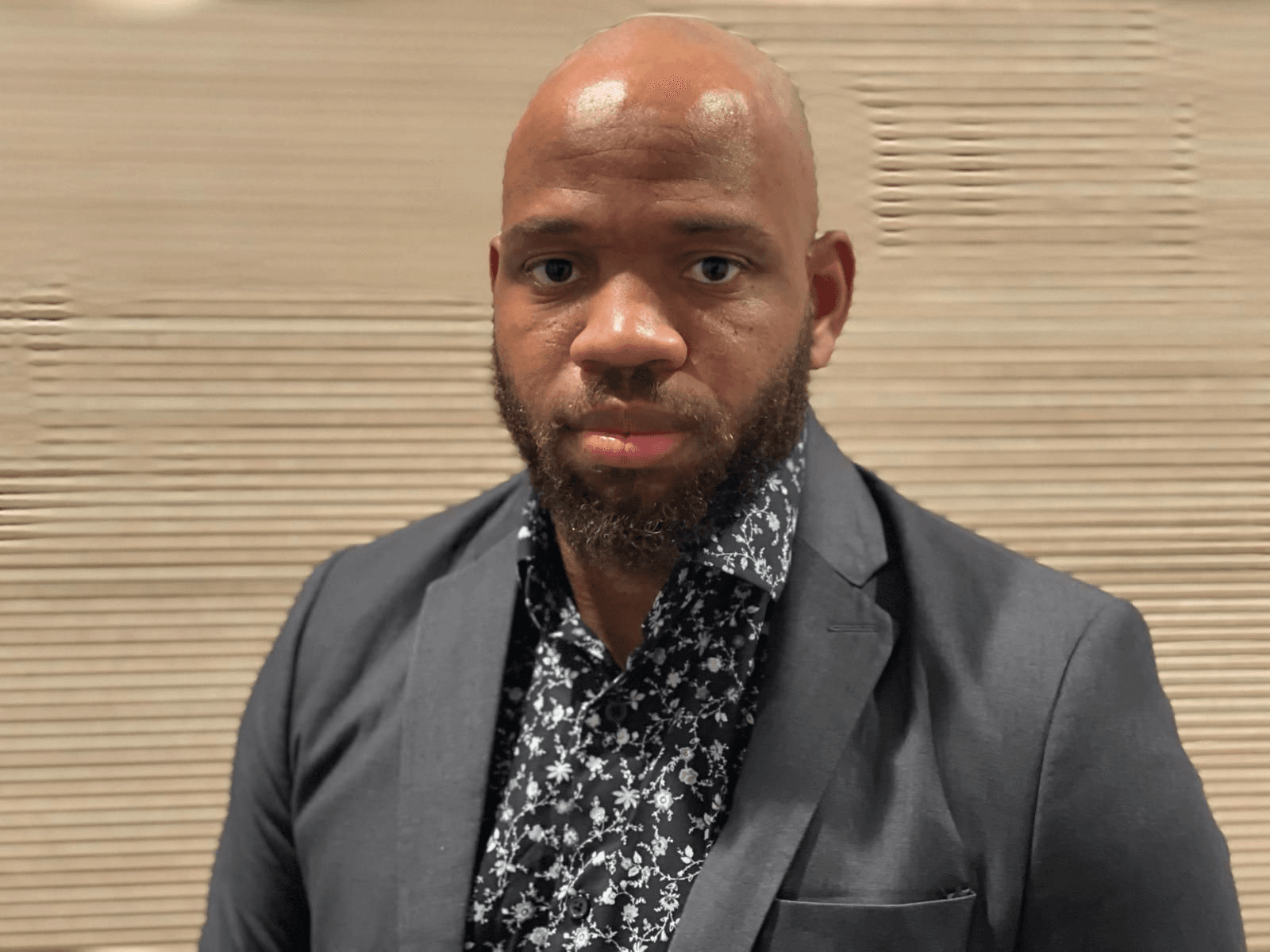
By Chukwudum “Chumze” Chukwudebelu
Founder/CEO, TheChumEffect Creator of the BAAB Framework


Introduction
There’s a moment almost no one talks about.
It’s the moment when money enters the picture.
It could be savings you worked years to accumulate.
It could be funding.
It could be an internal budget approved without friction.
But the moment money shows up, behavior changes.
Waiting suddenly feels irresponsible.
Learning feels too slow.
Spending feels like progress.
And that’s where most businesses start going wrong.
Why Spending Feels Safer Than Uncertainty
Uncertainty is uncomfortable.
When you don’t know what works yet, you’re forced to sit with questions:
- Will anyone actually buy this?
- Is this the right problem?
- Am I even solving the right thing?
Spending gives relief from that discomfort.
You build something.
You hire someone.
You launch something.
Movement replaces doubt. And movement feels like control.
But movement is not the same as learning.
What Early Spending Actually Does
Early spending doesn’t buy clarity.
It buys commitment.
Every dollar spent too early:
- locks assumptions in place
- narrows your options
- turns unanswered questions into defended decisions
Instead of discovering what works, you start protecting what you already chose.
That’s how people get stuck fast.
Why Money Makes Judgment Worse
In Business as a Baby, I describe this effect as superhuman stupidity.
Not because people are careless.
Not because they’re unintelligent.
But because money amplifies confidence faster than understanding.
When money is available:
- decisions feel safer than they are
- speed replaces reflection
- confidence outpaces reality
You feel capable before you’re actually ready.
This shows up everywhere — not just in startups.
A Pattern That Repeats Again and Again
I’ve seen this pattern across different situations:
Someone doesn’t have a skill yet, so they reach for money instead.
Money replaces partnership.
Money replaces patience.
Money replaces learning.
Large commitments get made before the business knows what actually works.
And once those commitments are made, flexibility disappears.
Hiring for a role like this right now? One call is usually enough for us to tell you whether we can fill it.
Book a CallWhen Money Creates the Illusion of Growth
This is where things quietly escalate.
Money creates a false sense of stability.
Teams start acting like the business has “grown.”
Spending, structure, and complexity show up early.
In the Business as a Baby framework, this is the moment a business gets pushed out of its learning phase and into what I call a toddler phase — where spending and structure appear before survival skills are built.
In simple terms:
The business starts acting older than it actually is.
That illusion holds until pressure shows up.
Why This Collapses Under Pressure
Early-stage businesses need:
- closeness to reality
- fast feedback
- the ability to adapt quickly
Spending too early removes those muscles.
When conditions change:
- burn becomes panic
- structure becomes rigidity
- confidence collapses
That’s why failure often looks sudden, even though the mistake happened much earlier.
When Spending Actually Makes Sense
Spending isn’t bad.
It’s just badly timed most of the time.
Spending helps after:
- people are already buying
- patterns are clear
- you understand what works and why
Money should accelerate clarity — not search for it.
The Parent Analogy Most People Miss
A baby is not supposed to take care of the parent.
The parent takes care of the baby.
If you’re spending money hoping your business will save you — pay you back, validate you, rescue you — you’ve reversed the relationship.
Business as a Baby exists to help people respect timing, not rush growth.
Because growth isn’t forced.
It’s earned.
If this feels familiar, you don’t need to rush anything.
Sometimes it helps to talk through where you are before you spend another dollar.
If you want to think out loud with someone who understands these early-stage traps, you can reach out here.
Frequently Asked Questions

Why do startups burn money so fast?
Because spending feels like progress when clarity is missing.
Is burning cash normal early on?
It’s common, but common doesn’t mean healthy. Early stages require learning more than spending.
Should I spend money to validate my idea?
Validation comes from reality, not budgets. Money should support learning, not replace it.
Why do funded companies still fail?
Because money can remove the very pressures that teach survival skills.
How do I know when spending makes sense?
When the business already knows what works and money is speeding it up, not guessing for it.
Hiring right now? Let's talk.
Book a 20-minute call with The Chum Effect. Bring the role you are struggling to fill and we will tell you honestly whether we can help, including when we are not the right fit.
Related articles
Why Businesses Stall After Their First Breakthrough ?
Why Advice From Successful Founders Often Fails Early Startups
You did everything they said. You watched the interviews. You read the threads. You followed the playbooks. #### And yet, nothing is working.
Why Your Business Can’t Support Your Life Yet
Working hard doesn’t mean your business can carry your life yet. This piece explains why that gap is normal—and how to protect both yourself and the business.
Baby Businesses: Understanding the Earliest Stage of Business Development
Every business begins its journey as a Baby business—full of experimentation, learning, and growth. In this article, discover the key traits of the Baby stage, how to handle uncertainty, and why early-stage instability is a normal part of building a business. Learn how to recognize what works and what doesn’t at this critical phase.
Why Going All In Is Not the Same as Being Serious
Going all in feels brave, but early businesses need protection, not pressure. Seriousness is about staying long enough to learn.
The Everyday Thinking Partner Rule
A simple rule for using AI without losing your judgment: let it clarify your thinking, not decide for you. Clearer mind. Same responsibility.


