


Why Advice Starts Failing Right After Early Success
February 6, 2026 • 4 mins read
Quick Answer
Advice often fails after early success because the context gets heavier before the business gets sturdier. Expectations rise, stakes increase, and “scale/hire/systemize” advice assumes stability you may not have. Filter guidance by what it requires: if it increases pressure without reducing fragility, it’s too early. Stabilize what’s repeatable, reduce what depends on heroics, and let systems earn the right to scale.
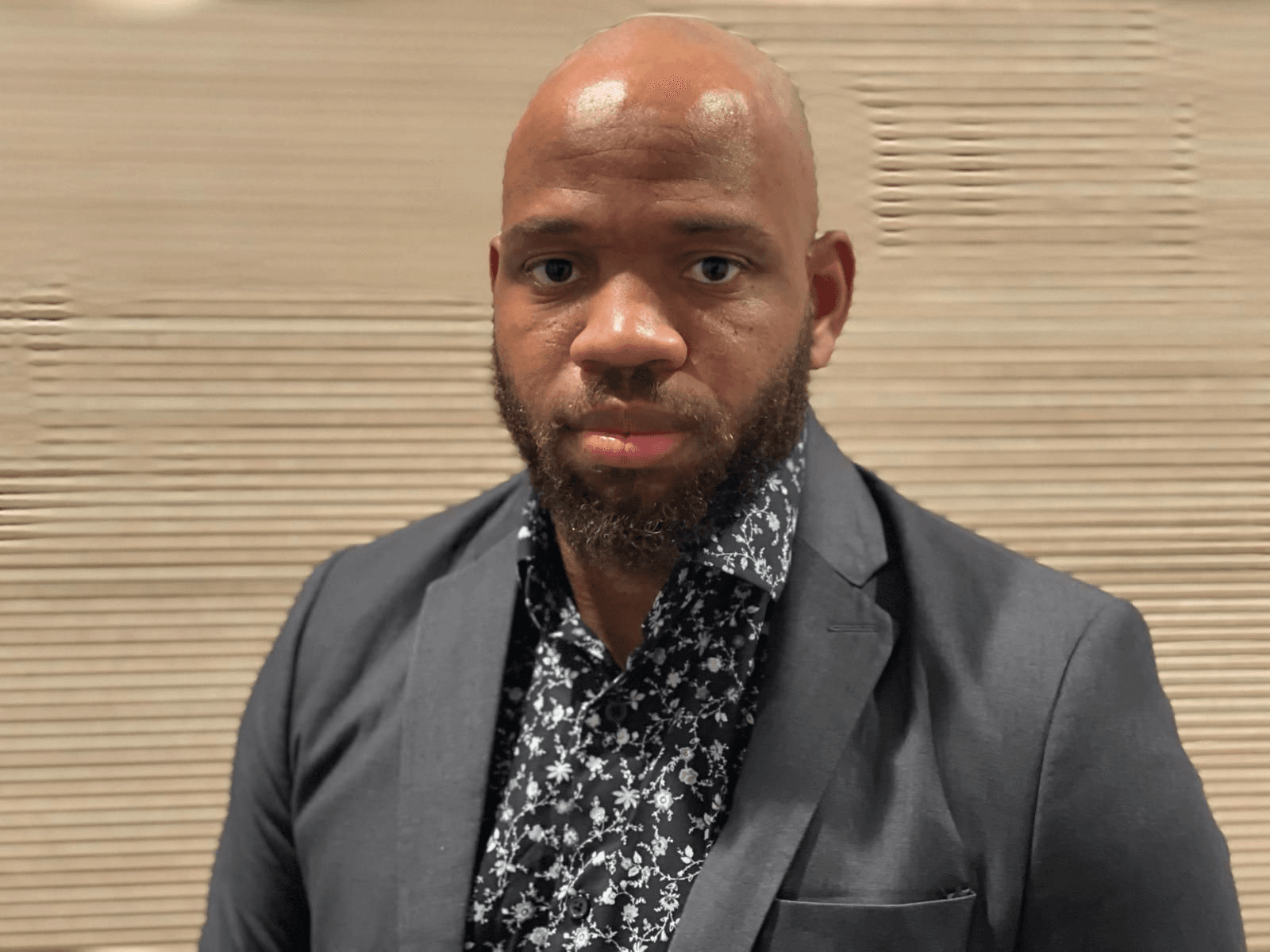
By Chukwudum “Chumze” Chukwudebelu
Founder/CEO, TheChumEffect Creator of the BAAB Framework


Introduction
At first, the advice works.
You launch something.
You get your first customers.
Revenue shows up.
People start paying attention.
And then—quietly—everything gets harder.
The same advice that helped you get started now feels heavy. Confusing. Sometimes even wrong. You’re doing “the right things,” but the pressure increases instead of easing.
This isn’t because the advice suddenly became bad.
It’s because early success changes the context, and most advice is never labeled for the stage it was meant for.
Early Success Quietly Changes the Game
Before success, decisions are light.
You’re experimenting.
Mistakes are cheap.
Nobody expects consistency yet.
Then something clicks.
And suddenly:
- Expectations rise
- Stakes feel higher
- Every move feels like it matters more
But here’s the trap:
The business hasn’t matured just because something worked once.
The weight of decisions increases faster than the business’s ability to carry them.
Why Advice Is Always Context-Dependent (Even When It Pretends Not To Be)
Advice is never universal.
It’s shaped by:
- The stage the advisor was in
- The resources they had
- The environment they operated in
- The mistakes they could afford
Most advice assumes things you may not have yet:
- Stability
- Predictable demand
- Margin for error
- Emotional distance from outcomes
When those assumptions don’t match your reality, following the advice creates friction instead of clarity.
The Hidden Shift: From Learning to Protecting
Before early success, you’re learning.
After early success, something subtle changes.
You stop asking:
“What can I learn from this?”
And start asking:
“How do I not mess this up?”
That shift introduces fear:
- Fear of losing momentum
- Fear of disappointing people
- Fear of going backward
Advice that once encouraged exploration now pushes optimization—too early.
And optimization before understanding creates pressure, not progress.
How Early Success Attracts the Wrong Advice
Success is loud.
More people notice.
More opinions show up.
More suggestions start flying in.
Suddenly the advice becomes:
- “Hire now”
- “Scale this”
- “Systemize everything”
- “Spend to grow”
But underneath, the business may still rely on:
- You personally
- Fragile processes
- Non-repeatable effort
Advice accelerates expectations without strengthening foundations.
The BAAB Lens (Light Integration)
Early success doesn’t make a business older.
A baby taking its first steps is still a baby.
This stage feels confusing because:
- The signals say “go faster”
- The structure says “slow down”
Most founders don’t realize the stage didn’t change—only the visibility did.
And visibility creates pressure long before readiness.
Hiring for a role like this right now? One call is usually enough for us to tell you whether we can fill it.
Book a CallWhat Actually Helps at This Stage
What helps now isn’t more advice—it’s better filtering.
Ask:
- What only works because I’m forcing it?
- What breaks if I step away?
- What isn’t repeatable yet?
- What advice assumes stability I don’t have?
Focus on:
- Strengthening what’s fragile
- Reducing forced effort
- Learning why things worked—not just celebrating that they did
This stage isn’t about scaling.
It’s about earning stability.
The Cost of Following the Wrong Advice Too Soon
When advice mismatches stage, it often leads to:
- Premature hiring
- Overcommitment
- Burnout
- Loss of clarity
- Financial stress
Ironically, advice meant to “help you grow” can lock you into pressure that the business can’t sustain.
When Advice Starts Working Again
Advice works when:
- The business can absorb mistakes
- Systems exist without heroics
- Results repeat without force
Until then, advice must support survival, not optimization.
Growth advice too early doesn’t speed things up—it pulls failure forward.
A Gentle Reality Check
If advice suddenly feels overwhelming or confusing, it doesn’t mean you’re doing something wrong.
It usually means you’re in a transition zone.
Nothing broke.
You just outgrew beginner advice before you earned advanced systems.
If This Feels Familiar
If you’re feeling pressure right after things started working—
If advice feels louder than helpful—
If you’re unsure what applies to your situation anymore—
It might help to talk it through.
Not for answers.
For clarity.
Sometimes one conversation can prevent months of stress—or mistakes that cost far more than time.
Frequently Asked Questions

Why does advice stop working after early success?
Because success changes expectations faster than the business matures. Advice often assumes stability that doesn’t exist yet.
Should I stop listening to advice once my business starts working?
No—but you should filter advice by stage, assumptions, and required resources.
How do I know which advice applies to my stage?
If following it adds pressure without reducing fragility, it’s likely mismatched.
Is early success a sign I should scale?
Not necessarily. Early success often signals learning—not readiness.
Why do I feel more stressed after things start working?
Because visibility and expectations rise before foundations are stable.
How can I avoid mistakes right after early wins?
Slow down, protect learning, and avoid optimizing what isn’t repeatable yet.
Hiring right now? Let's talk.
Book a 20-minute call with The Chum Effect. Bring the role you are struggling to fill and we will tell you honestly whether we can help, including when we are not the right fit.
Related articles
Why Businesses Stall After Their First Breakthrough ?
Why Advice From Successful Founders Often Fails Early Startups
You did everything they said. You watched the interviews. You read the threads. You followed the playbooks. #### And yet, nothing is working.
Why Your Business Can’t Support Your Life Yet
Working hard doesn’t mean your business can carry your life yet. This piece explains why that gap is normal—and how to protect both yourself and the business.
Baby Businesses: Understanding the Earliest Stage of Business Development
Every business begins its journey as a Baby business—full of experimentation, learning, and growth. In this article, discover the key traits of the Baby stage, how to handle uncertainty, and why early-stage instability is a normal part of building a business. Learn how to recognize what works and what doesn’t at this critical phase.
Why Going All In Is Not the Same as Being Serious
Going all in feels brave, but early businesses need protection, not pressure. Seriousness is about staying long enough to learn.
The Everyday Thinking Partner Rule
A simple rule for using AI without losing your judgment: let it clarify your thinking, not decide for you. Clearer mind. Same responsibility.


